Restoring an 18th-Century Farmhouse Deep Well Hand Pump
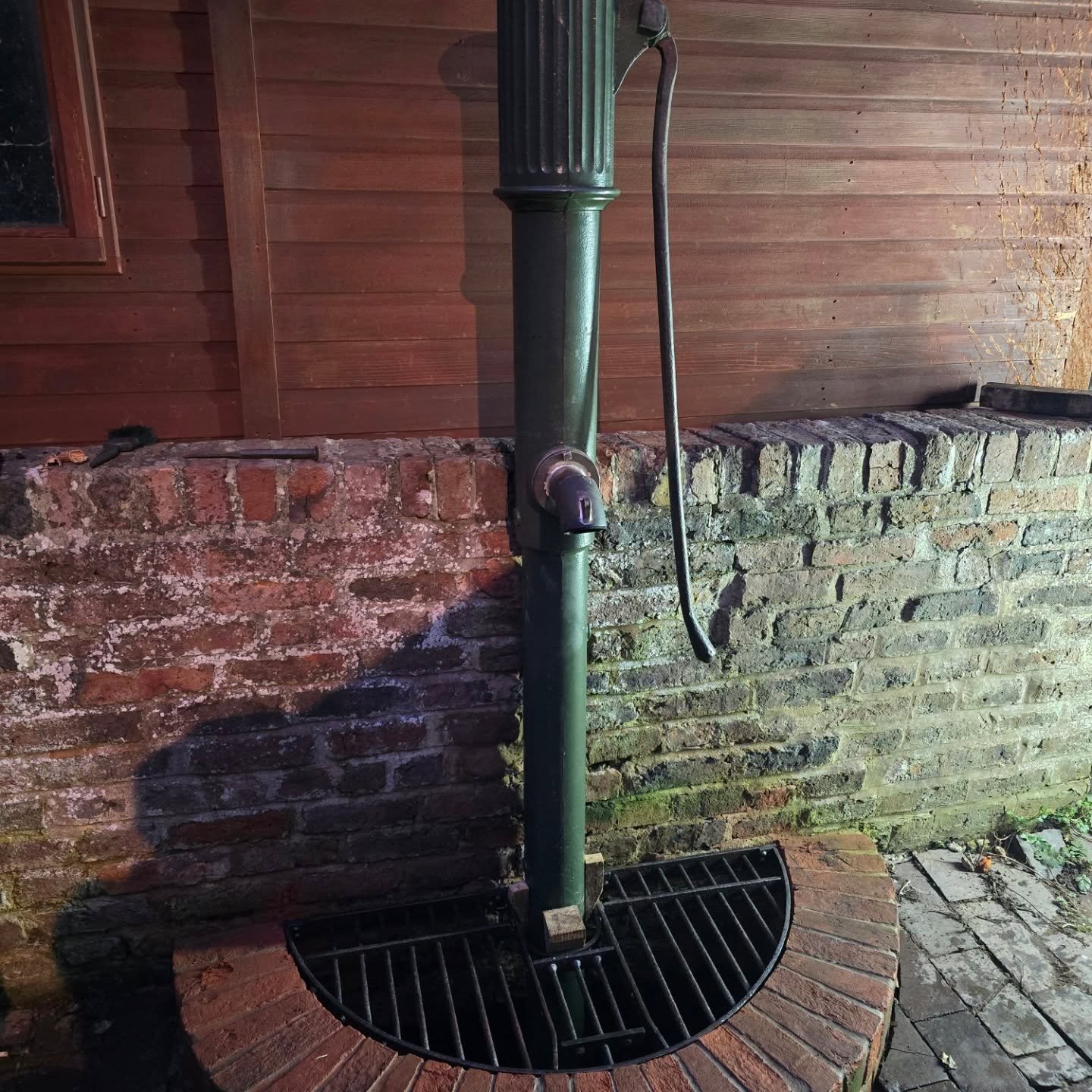
Standing in the courtyard of an 18th-century listed farmhouse, this historic pump mechanism had sat dormant and seized for decades. Our customer’s goal was to restore the disused pump aesthetically while bringing it back into full working order using traditional period techniques.
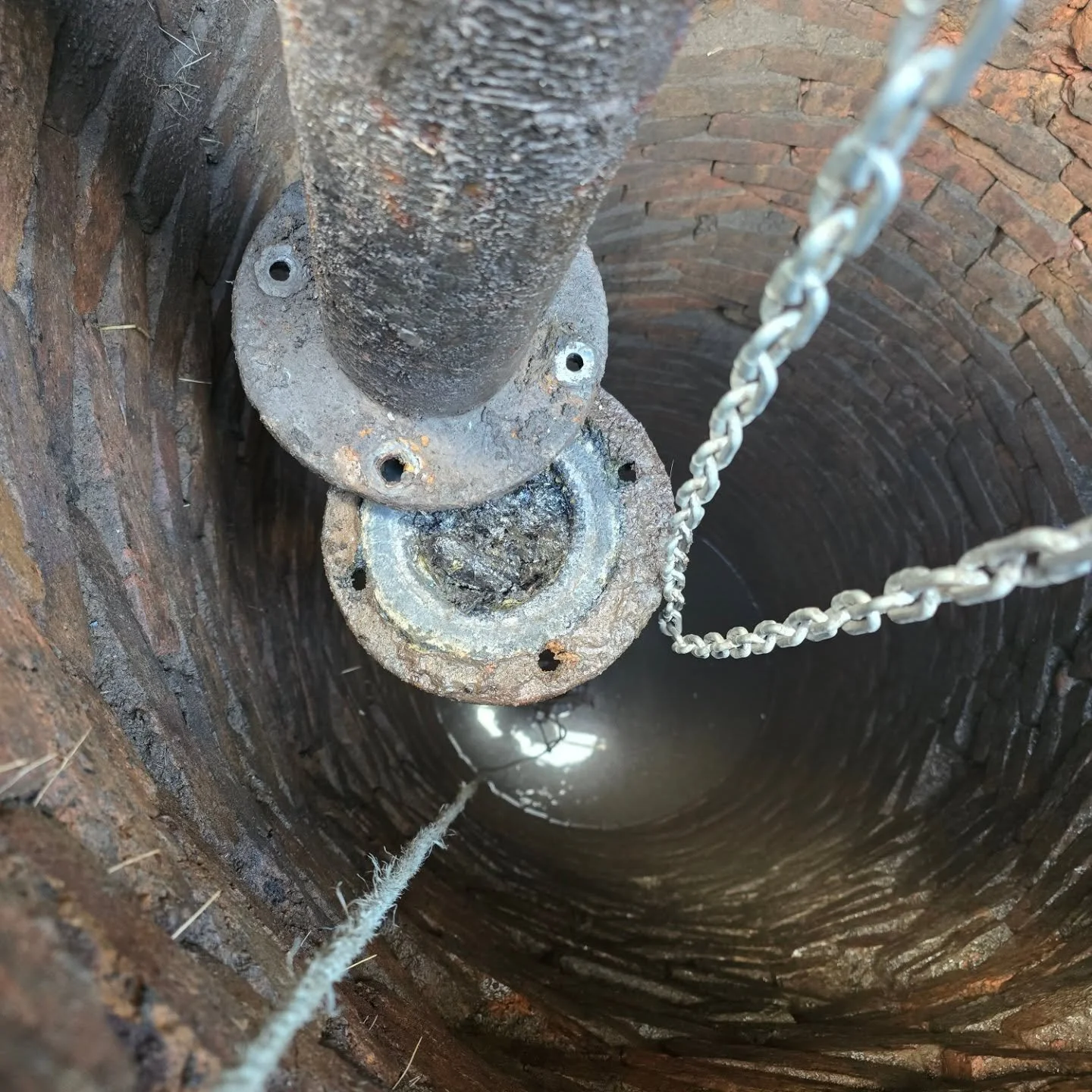
During our initial excavations, we discovered a long-forgotten, brick-lined well hidden beneath the surface. This allowed us to design and build an integrated well feature alongside delivering a fully operational water source.
Client
The Lower House, Stourport on Severn
Year
2025
Year
March 2024
Client
Riverside Pop-Up Pavilion
Uncovering & Extracting the Mechanism
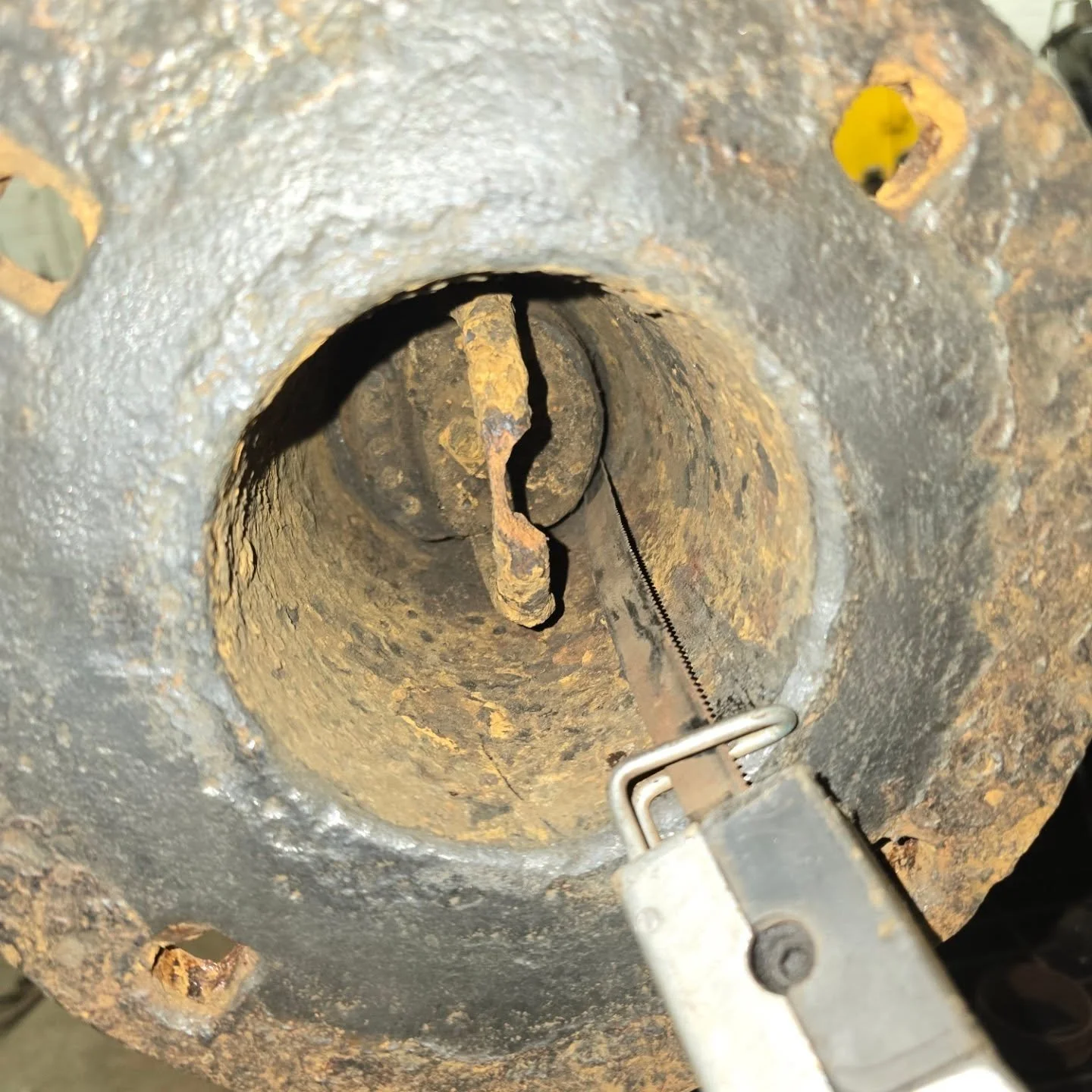
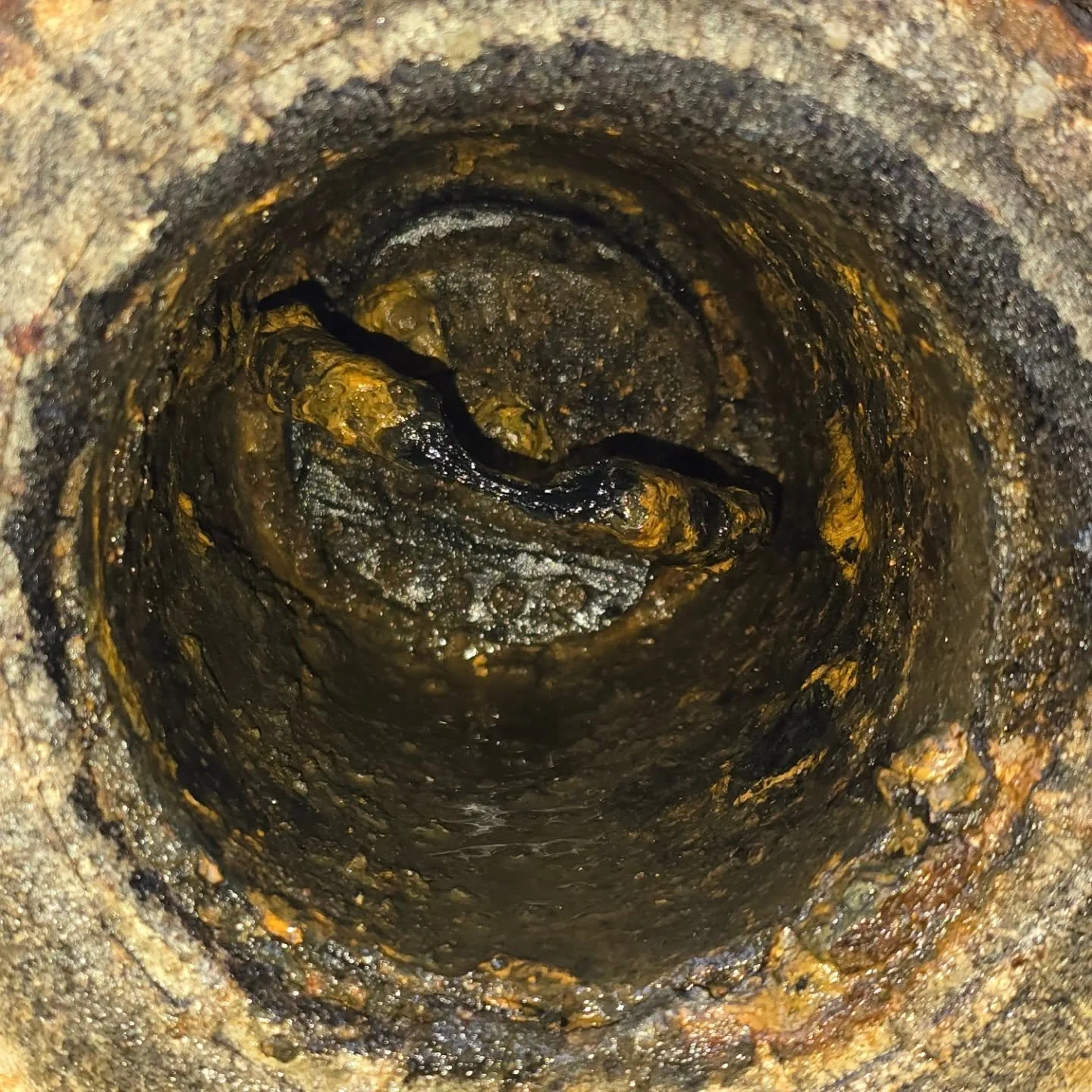
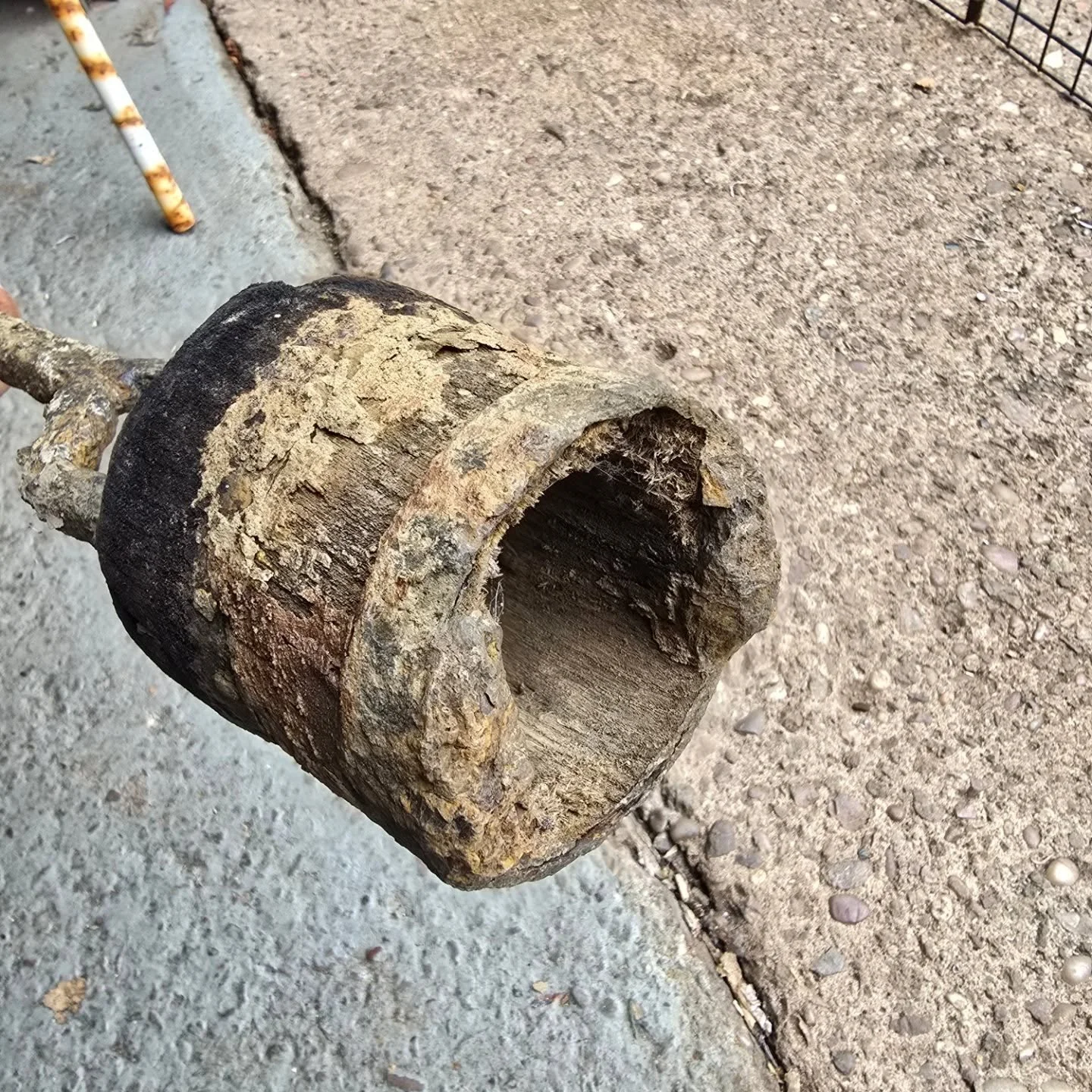
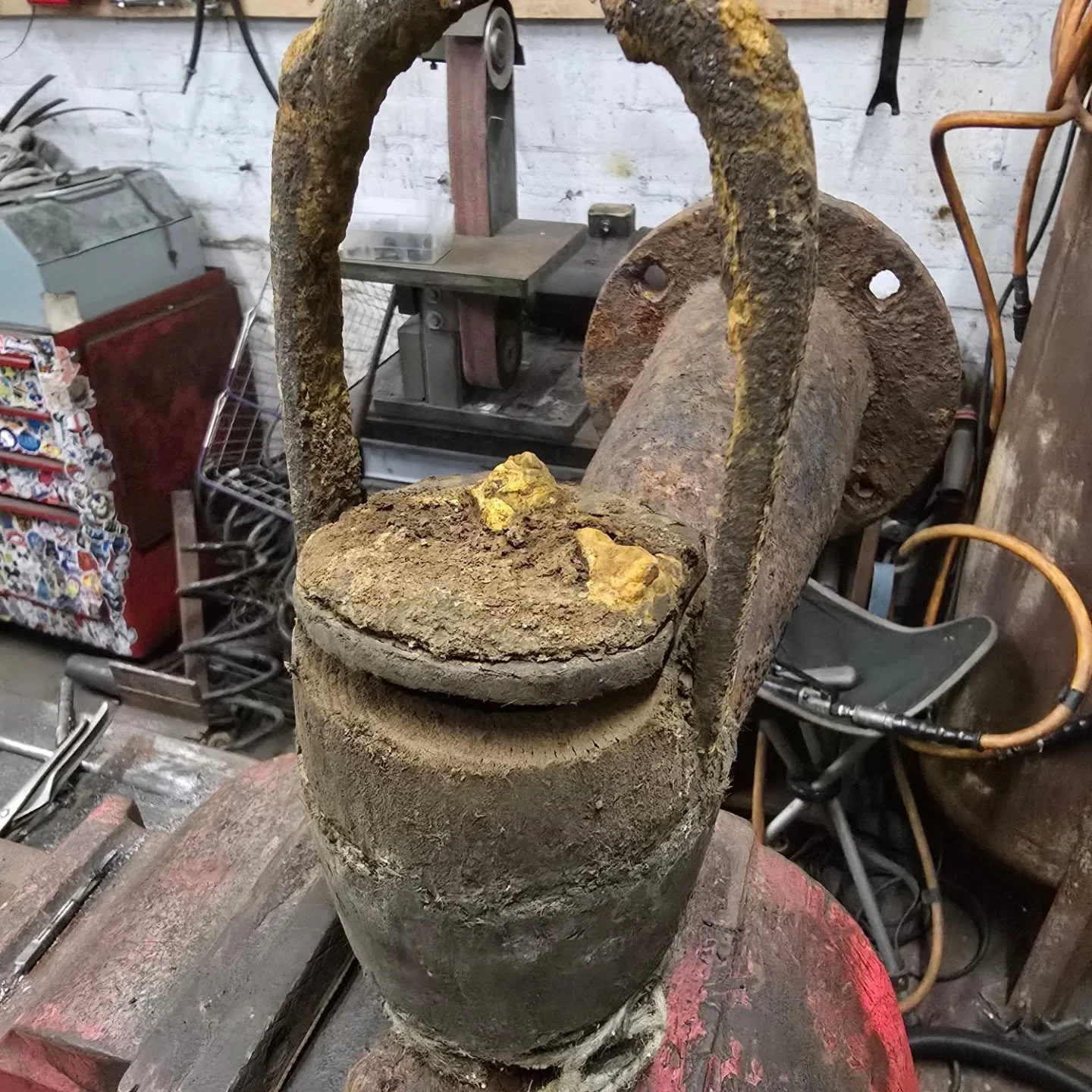
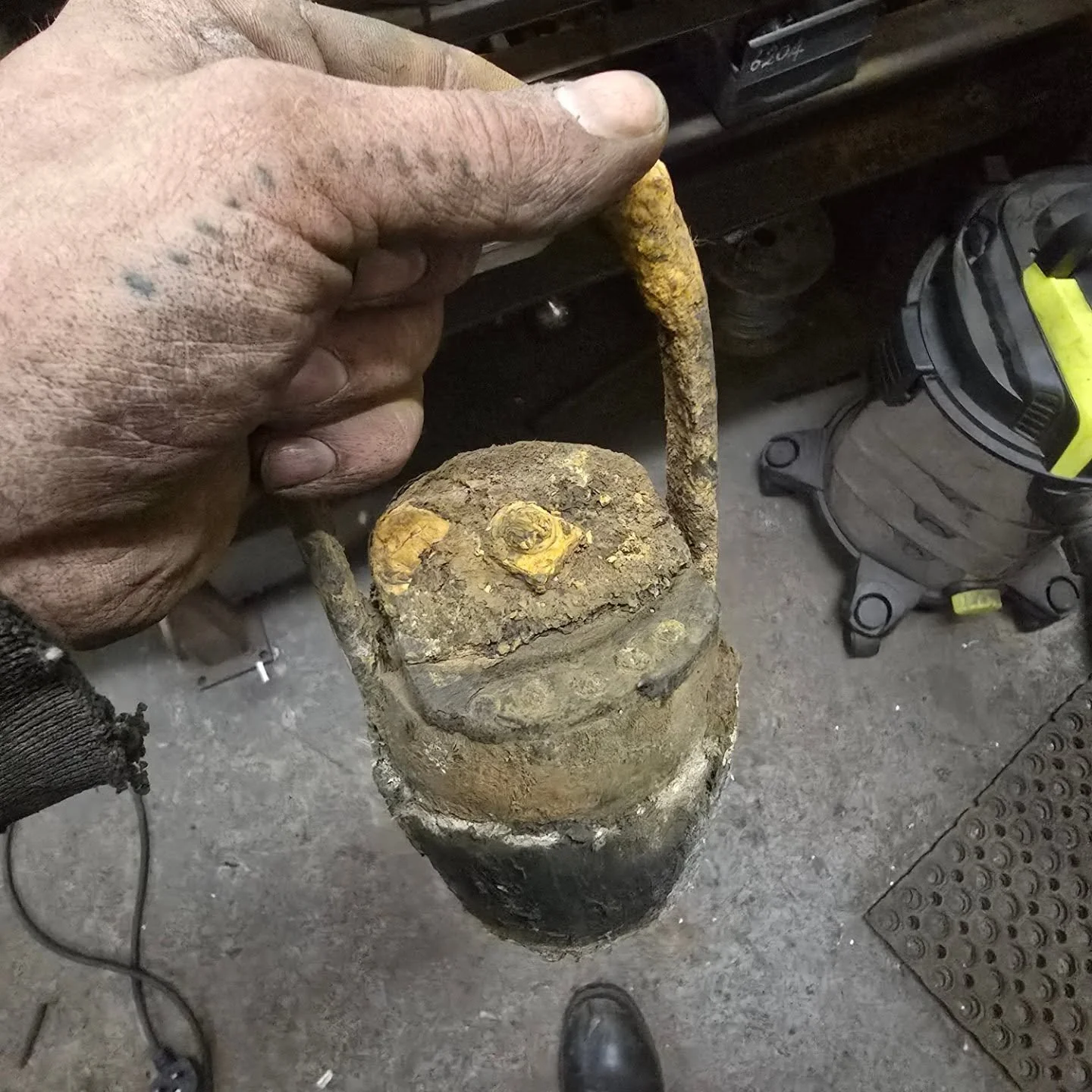
When we opened up the main piston chamber, we found it crammed full of silt, bricks, broken glass, an old key, a rib bone, and many wooden clothes pegs. Packing the pipe so tightly had actually created an oxygen starved environment, preserving internal iron, oak, and leather components exceptionally well.
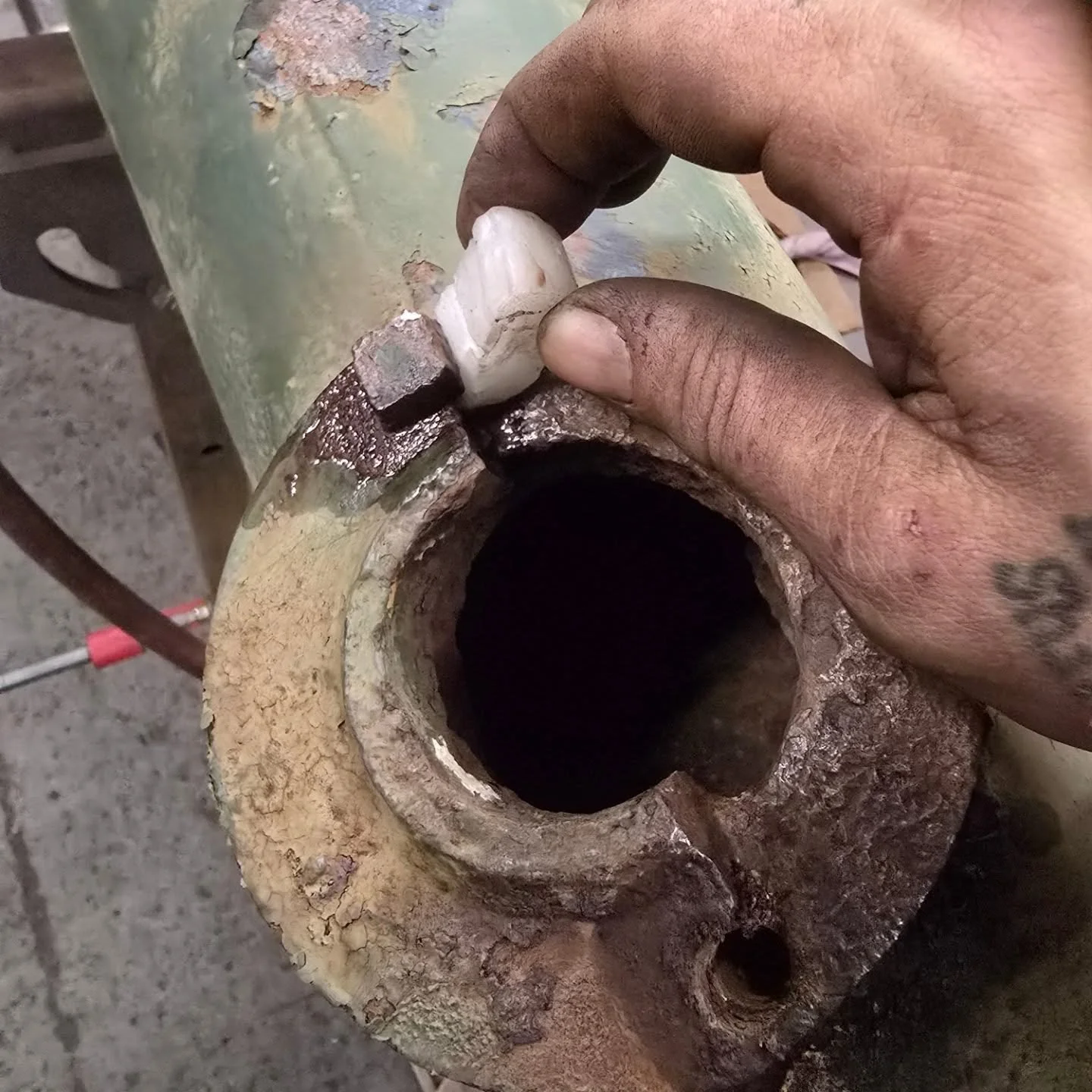
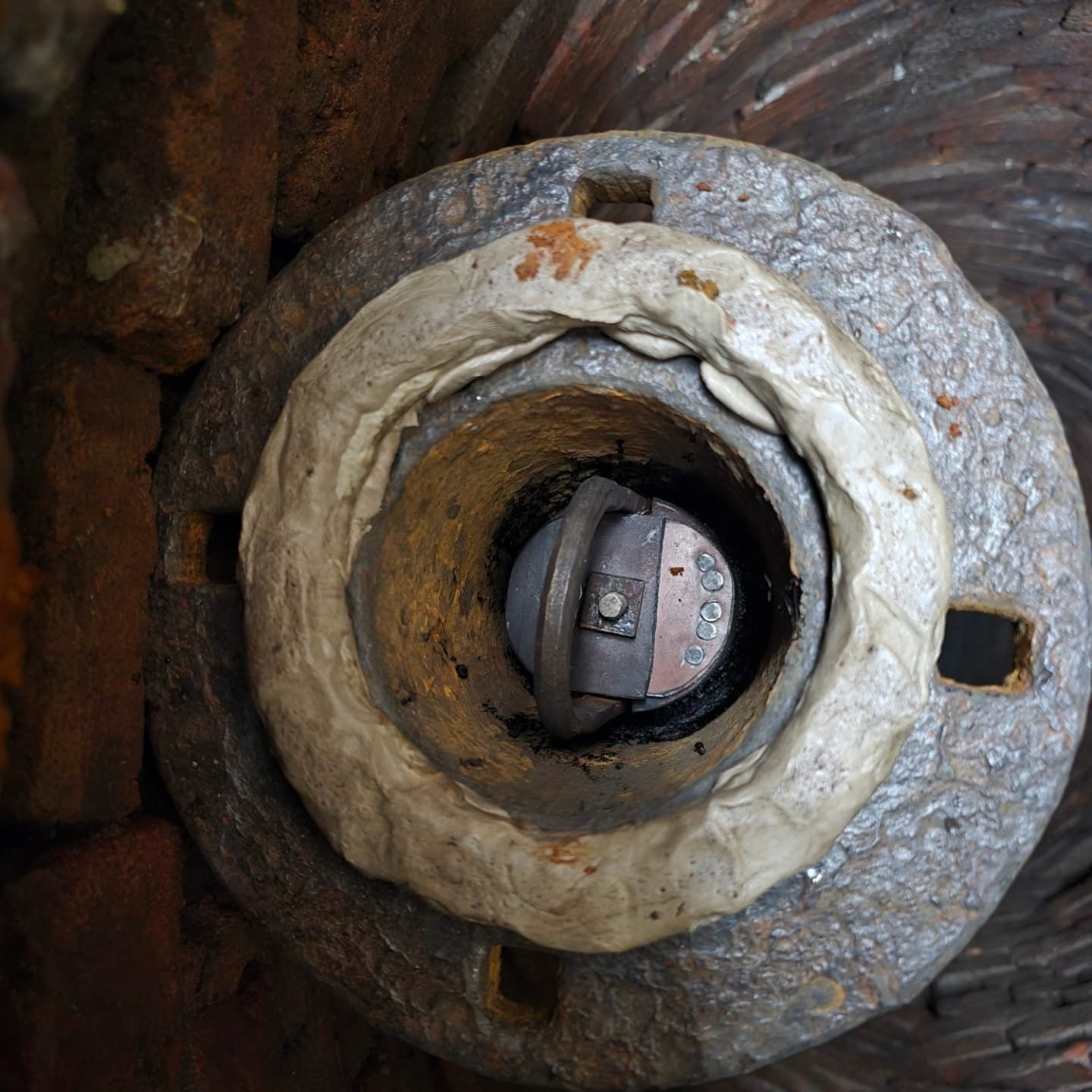
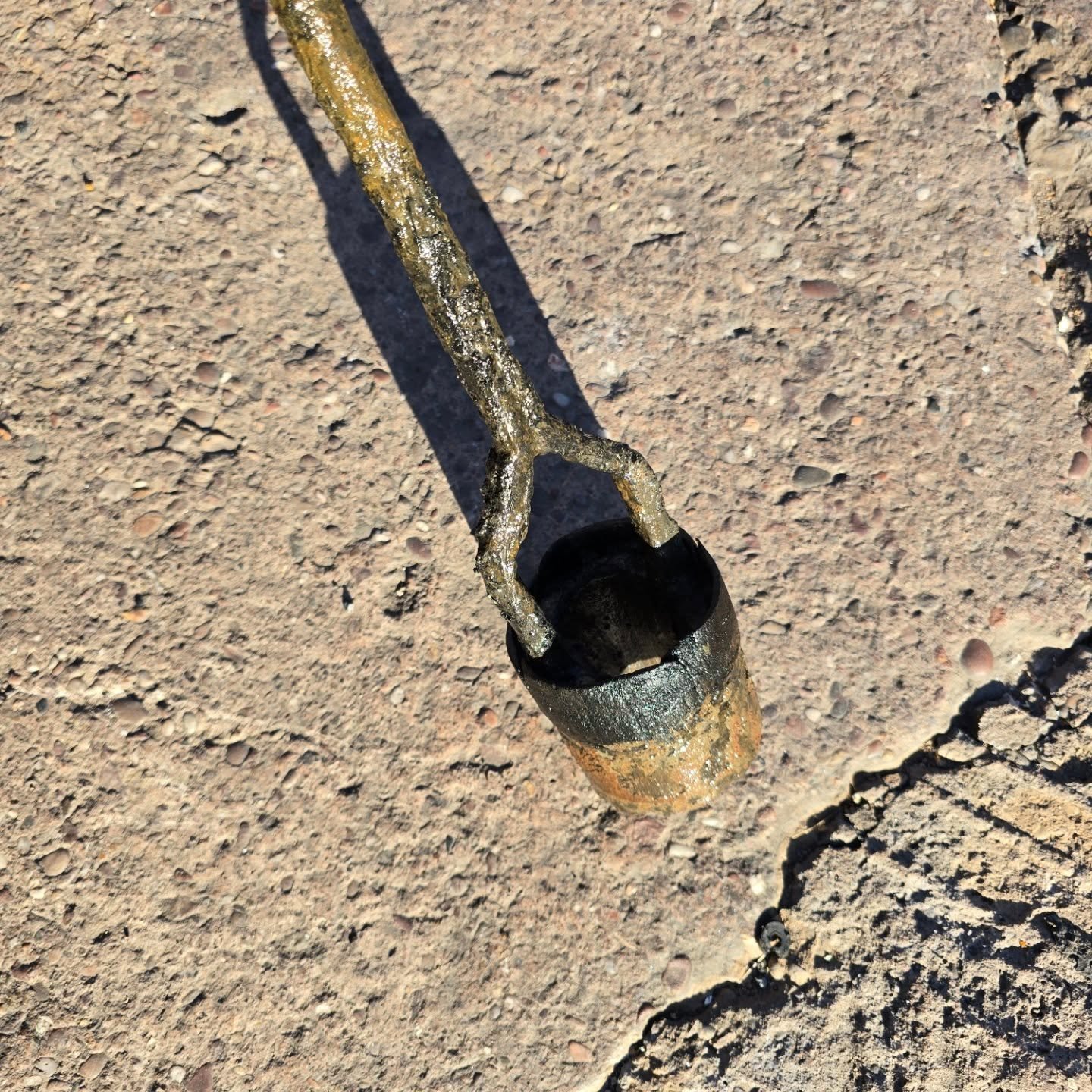
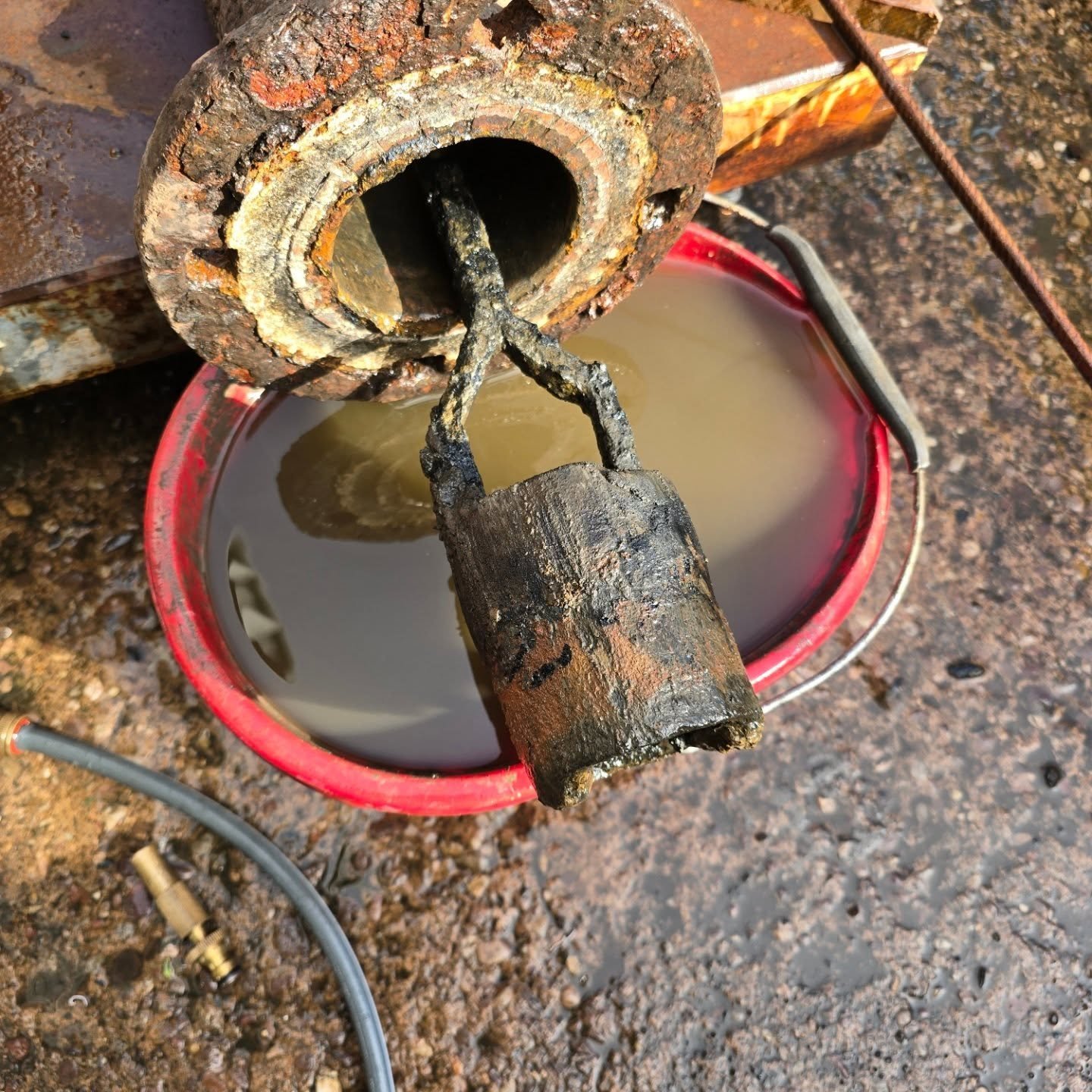
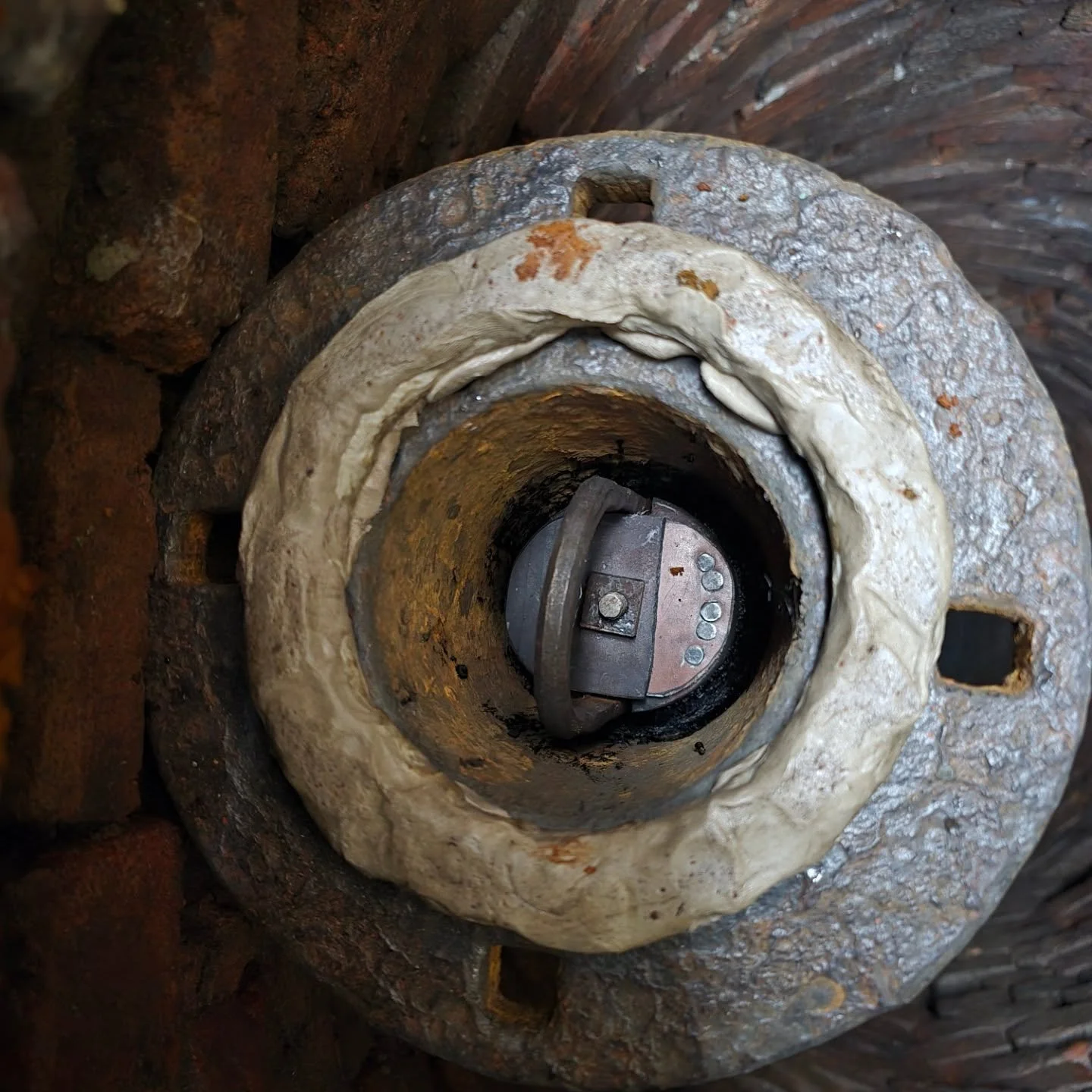
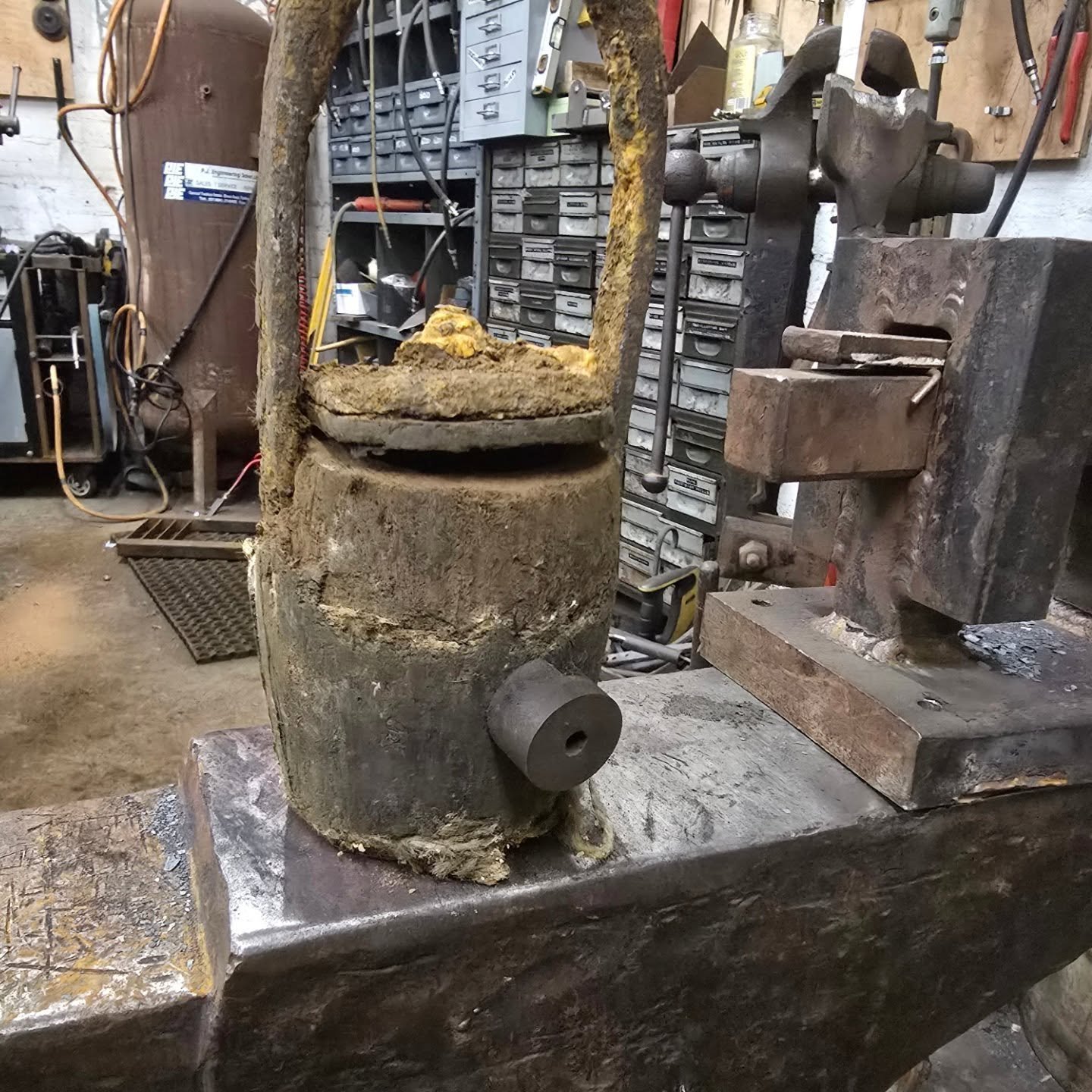
The non-return valve (NRV) was lodged in a pipe bottleneck, glued tight with historic pitch. To get it out intact without damaging the casing, we fabricated a long, flexible auger using stainless TIG wire and half a metre of bandsaw blade attached to a pneumatic hacksaw to release the valve intact.
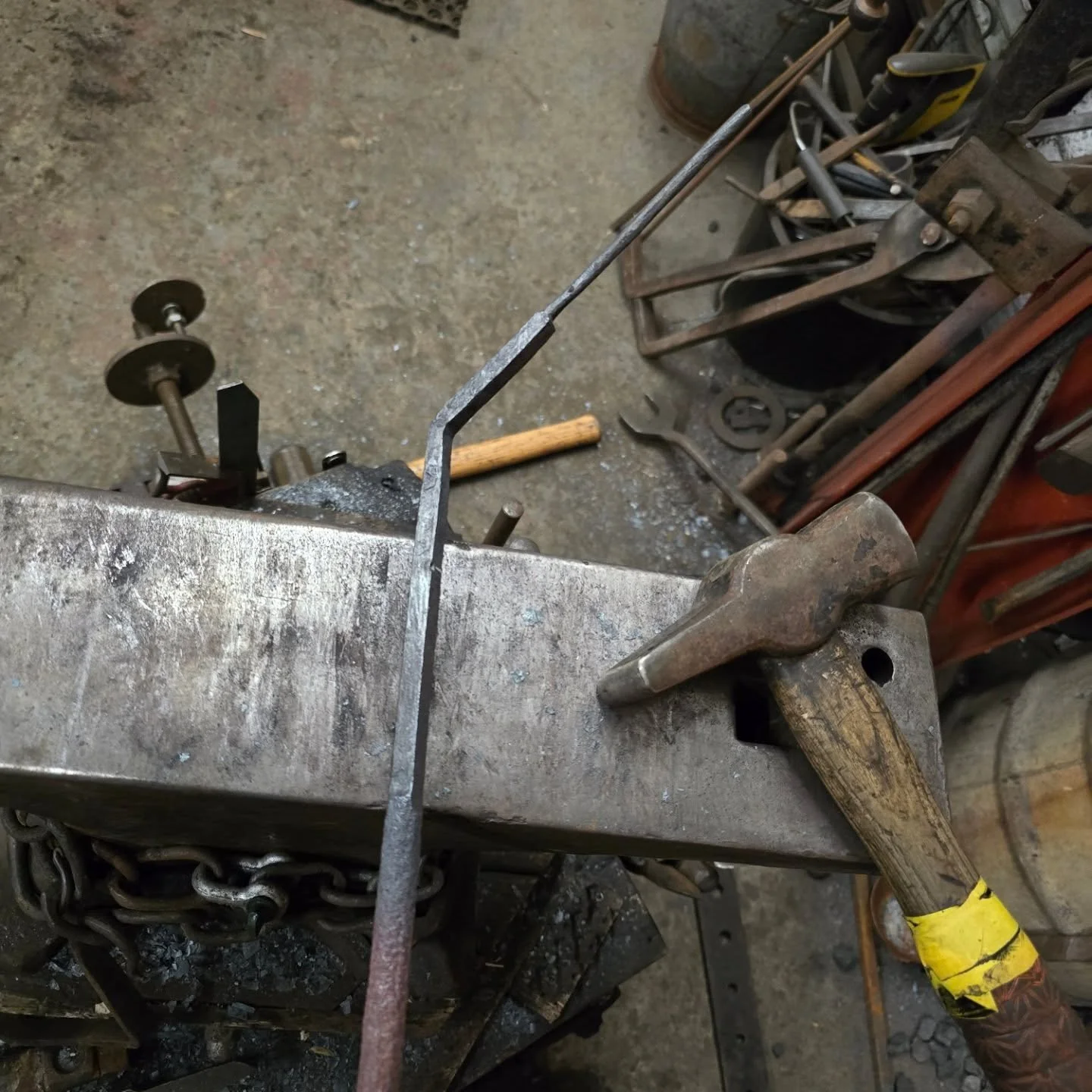
Reverse Engineering & Forging New Components
Because standard modern off-the-shelf pump repair kits do not fit historic models, I reverse-engineered every internal mechanical component directly from the salvaged remains:
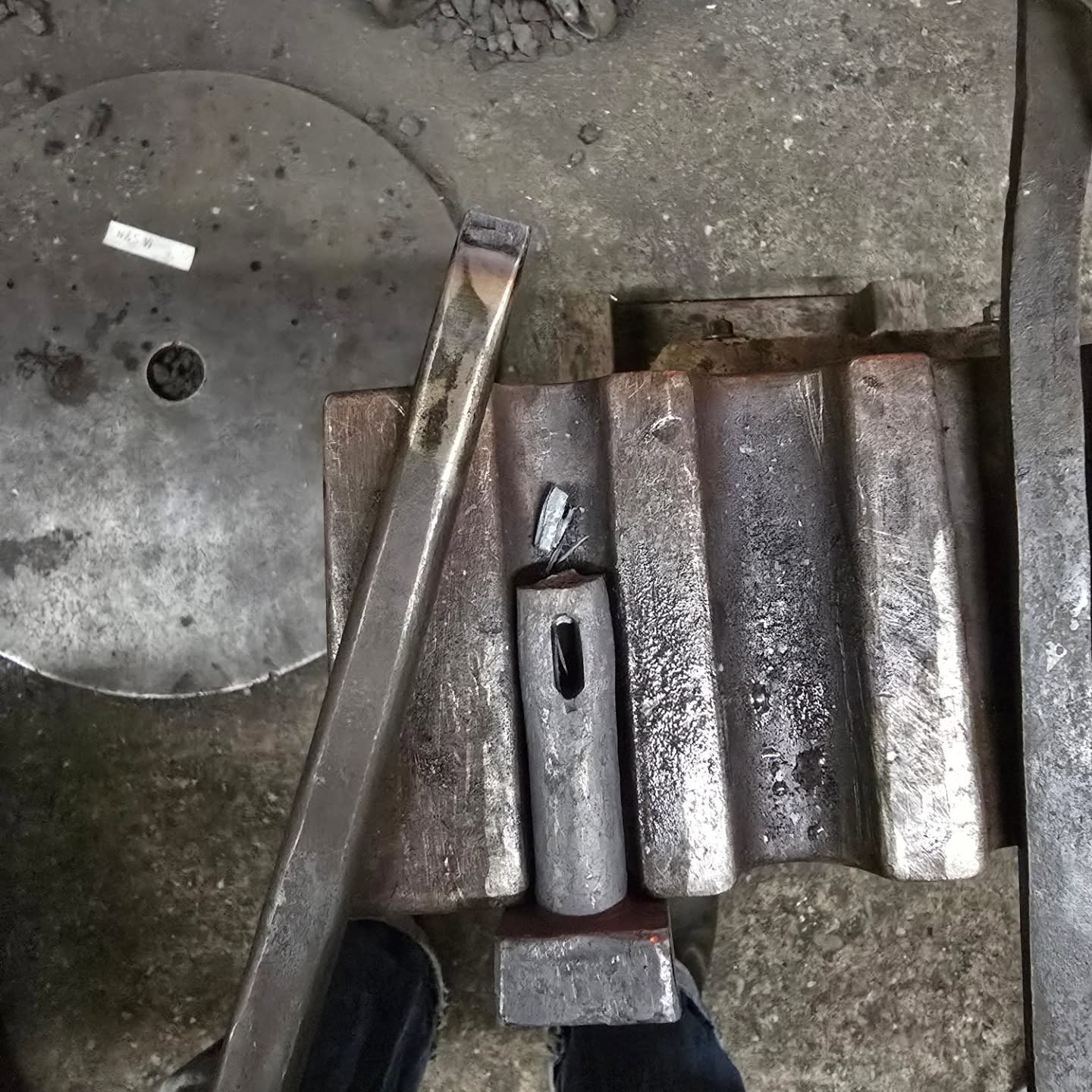
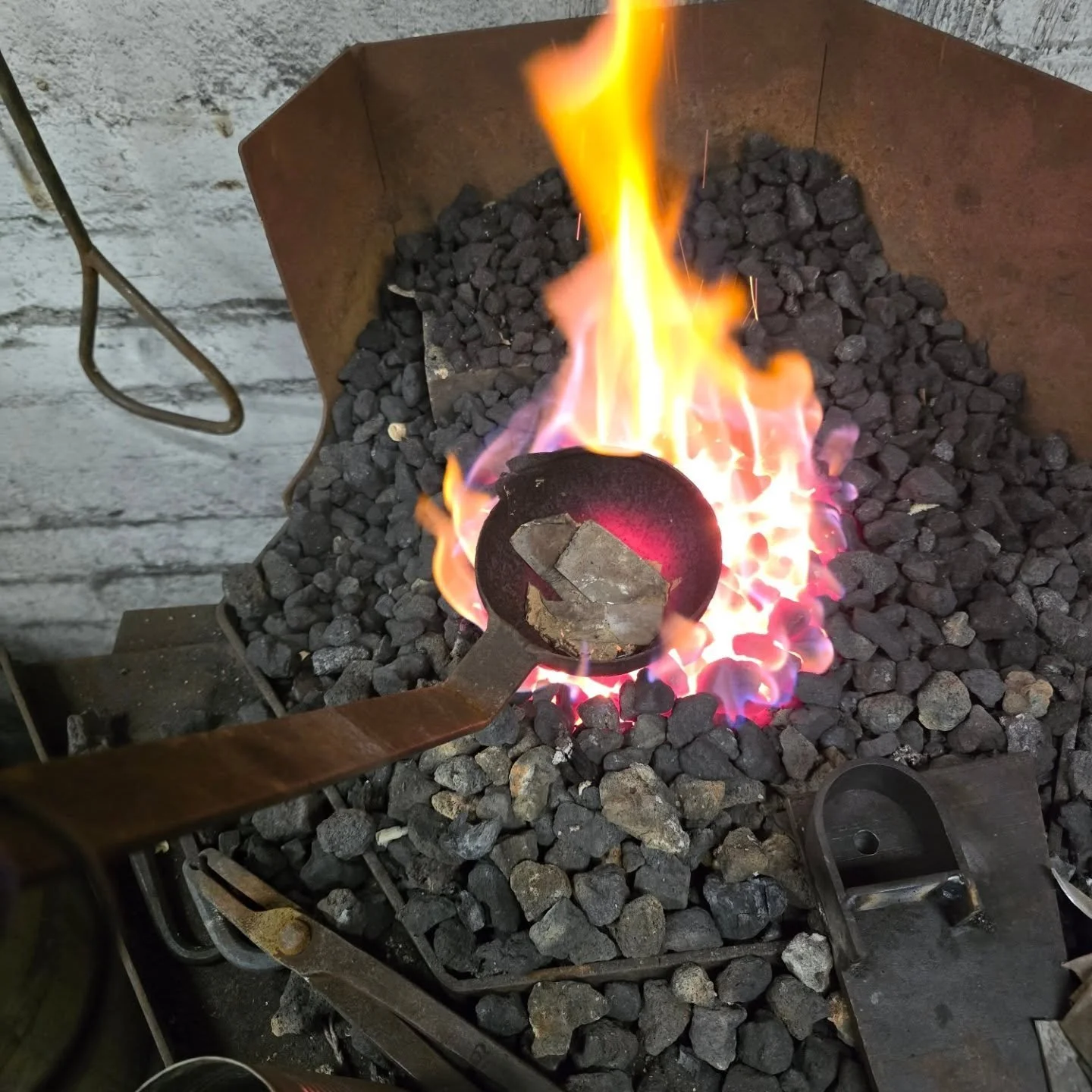
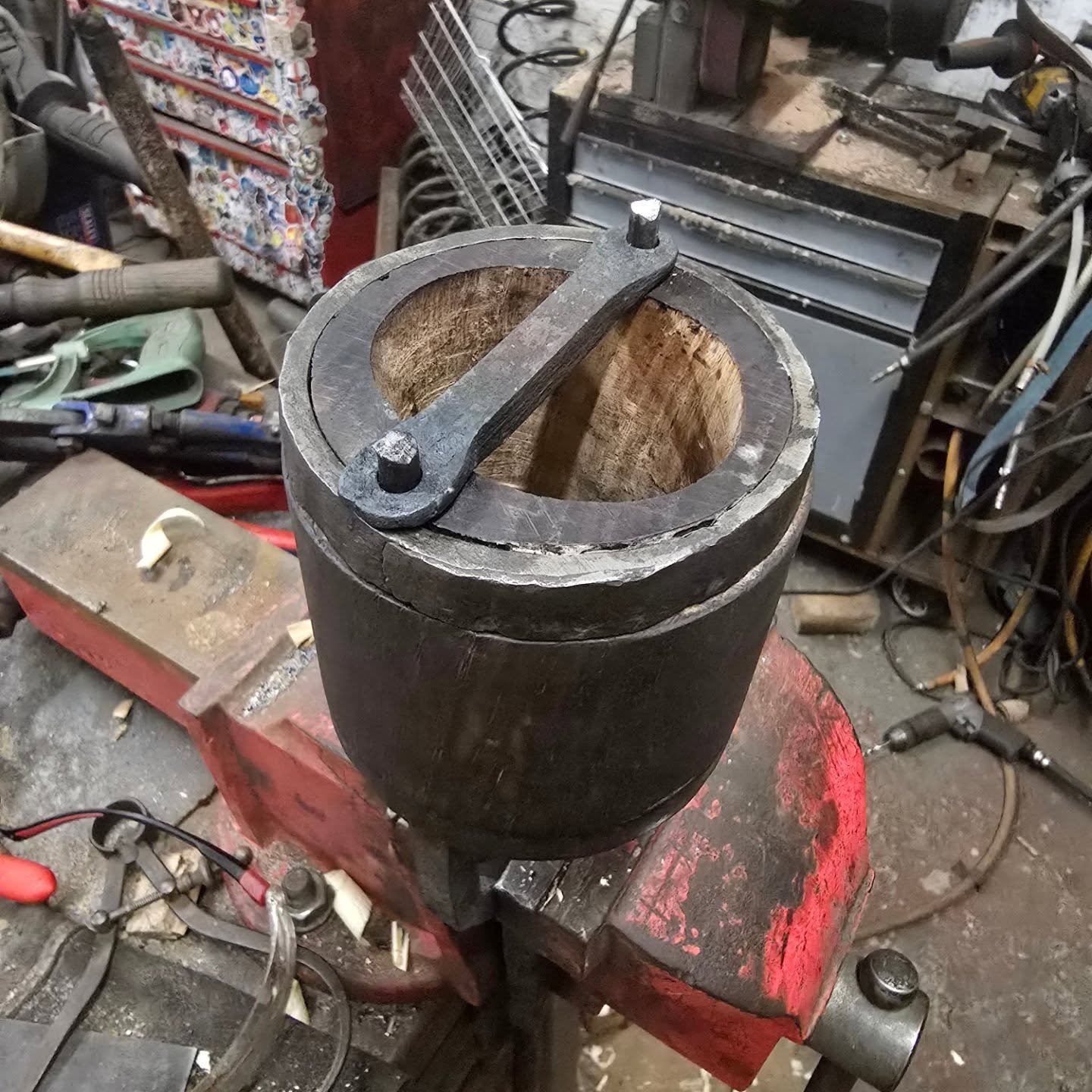
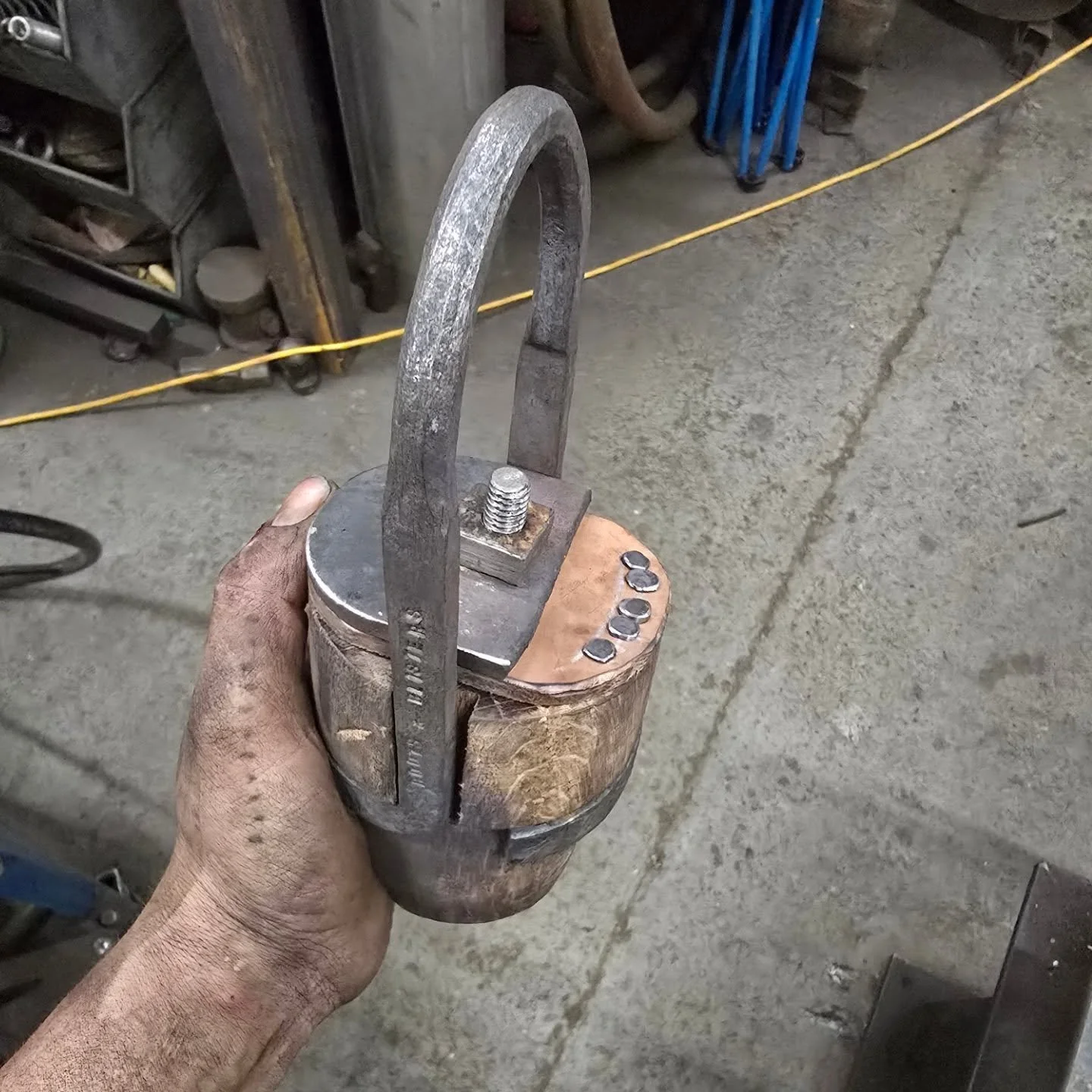
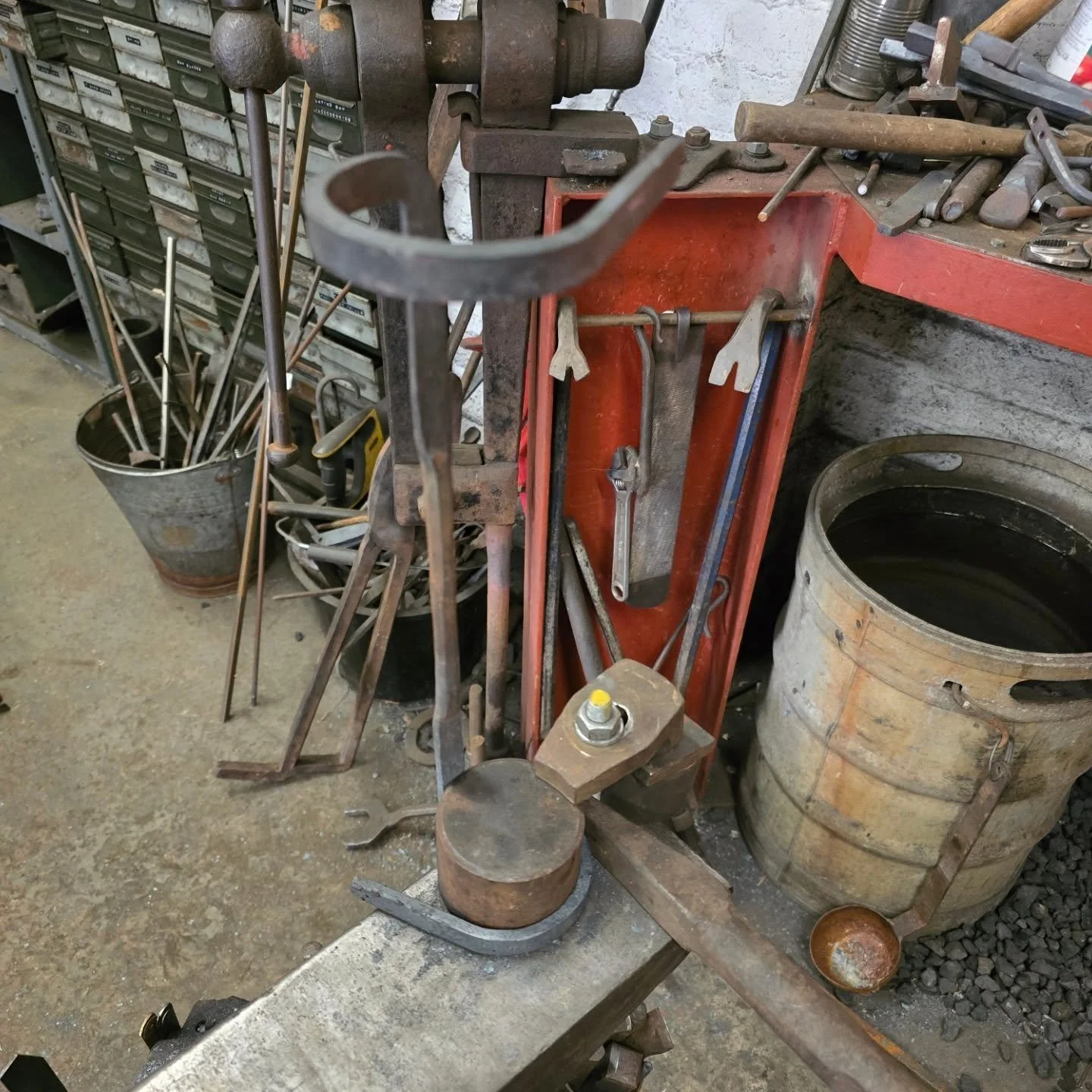
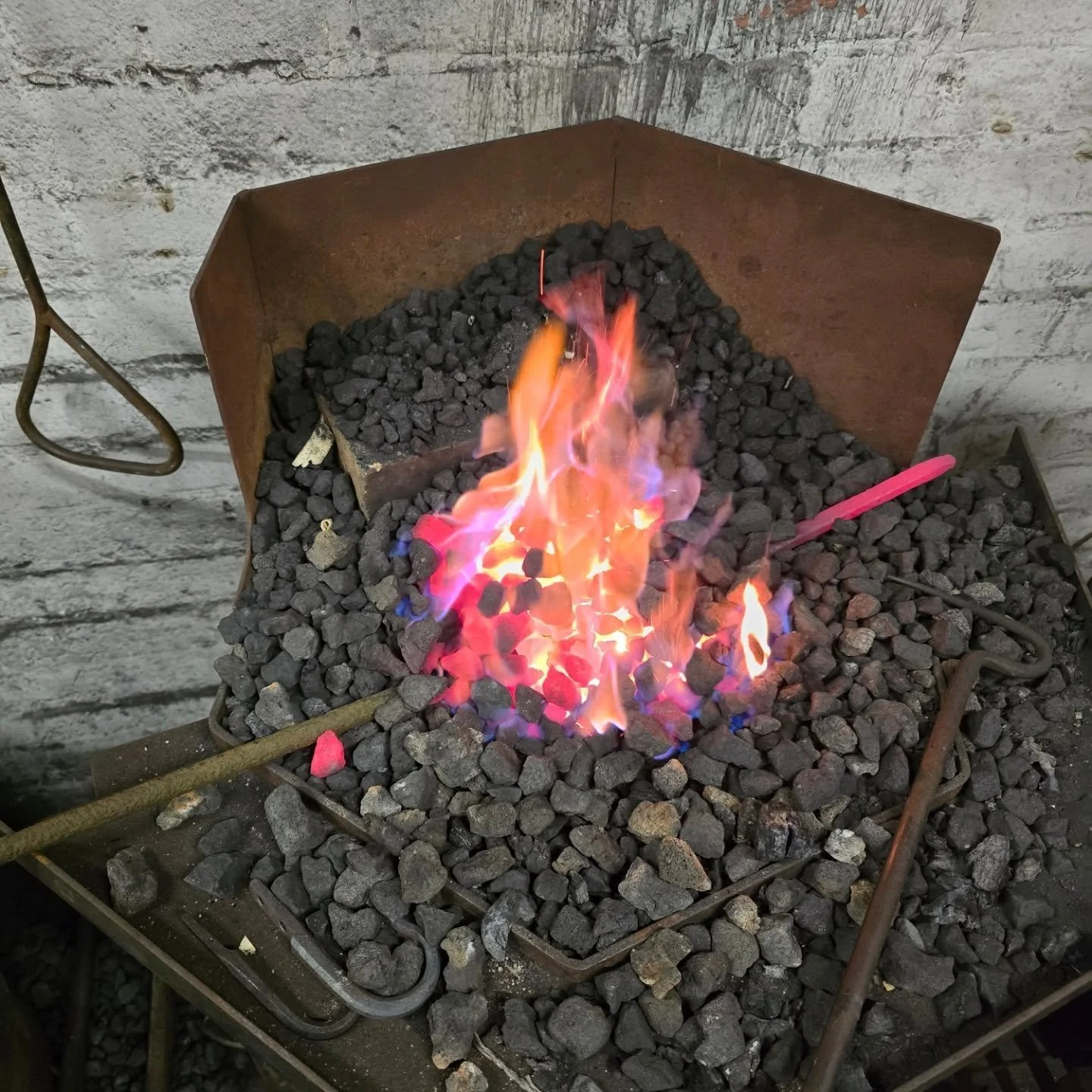
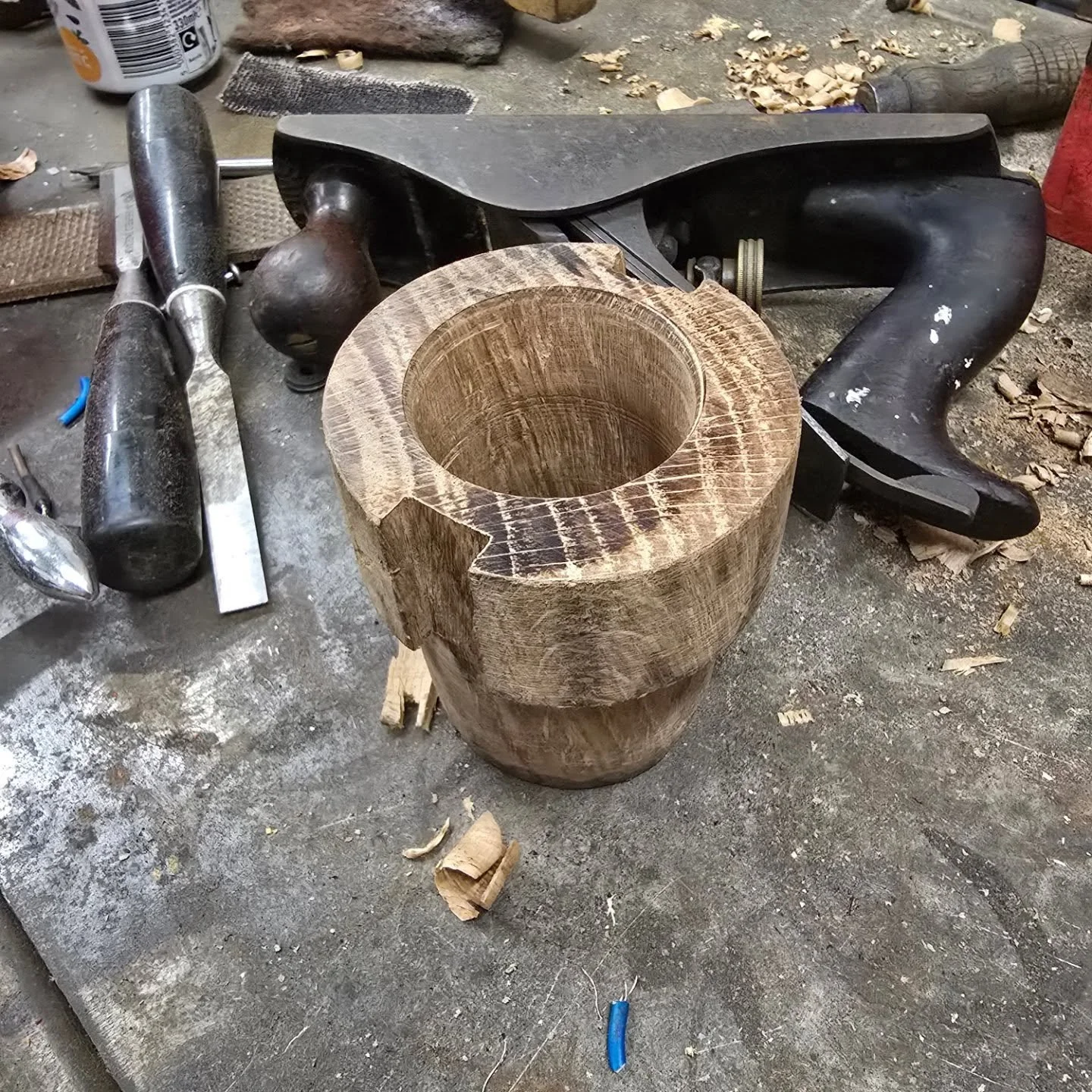
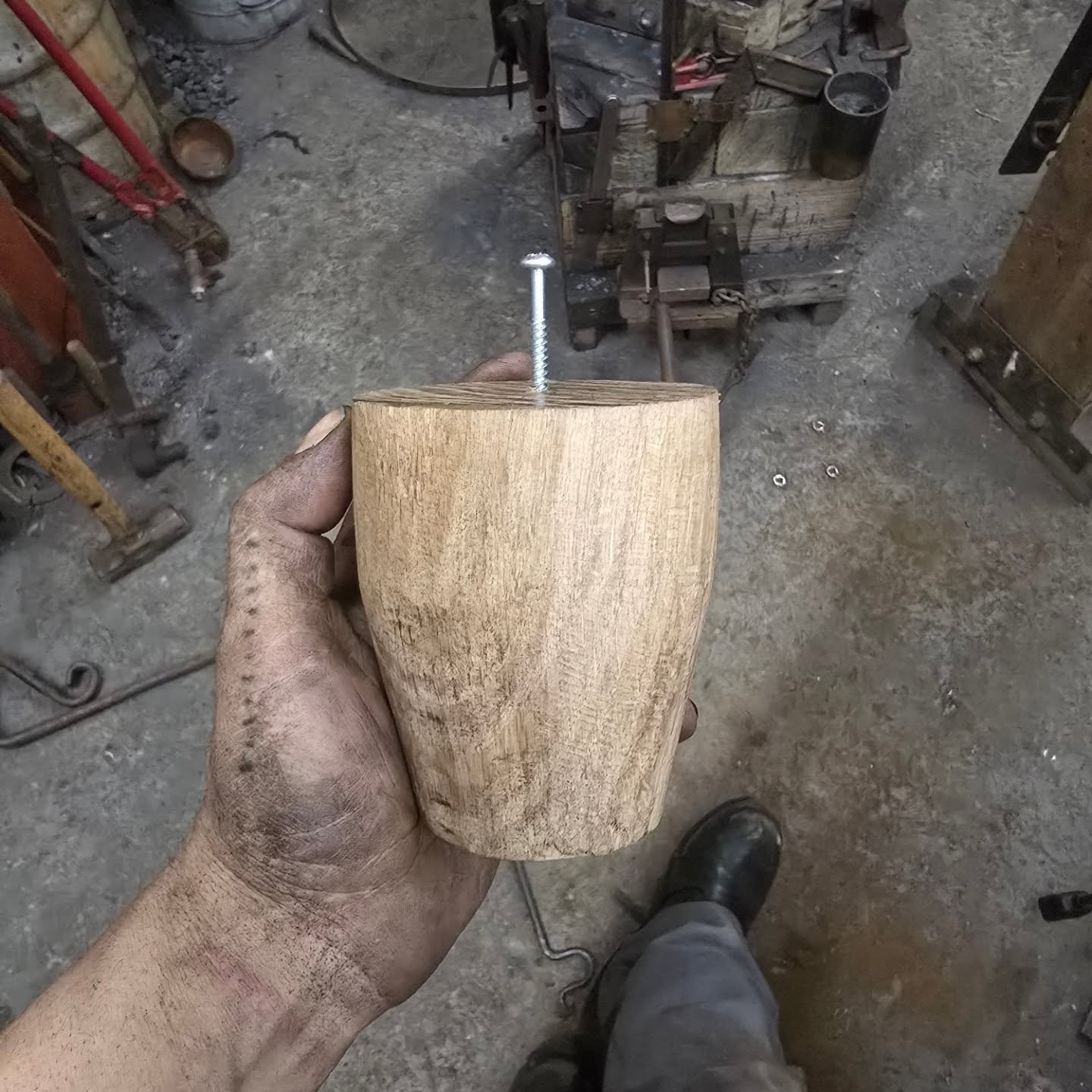
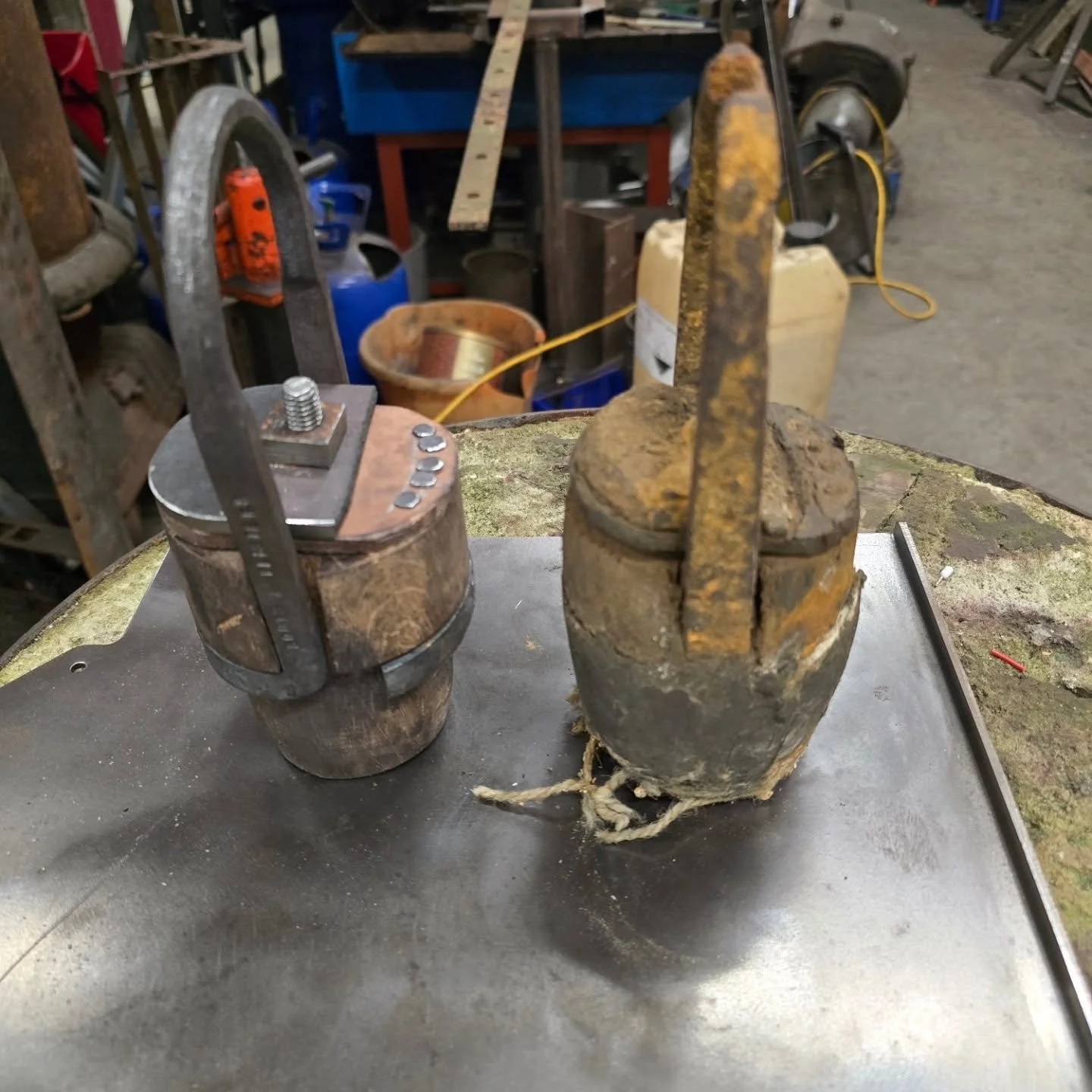
Piston Head & Con Rod: Turned from solid oak to match the original geometry, featuring custom-forged wrought iron bands hot-fit to the wood body. We hand-cast lead weights onto the upper assembly using salvaged period lead—taken off the roof of my childhood home—to ensure proper valve seating on the upstroke.
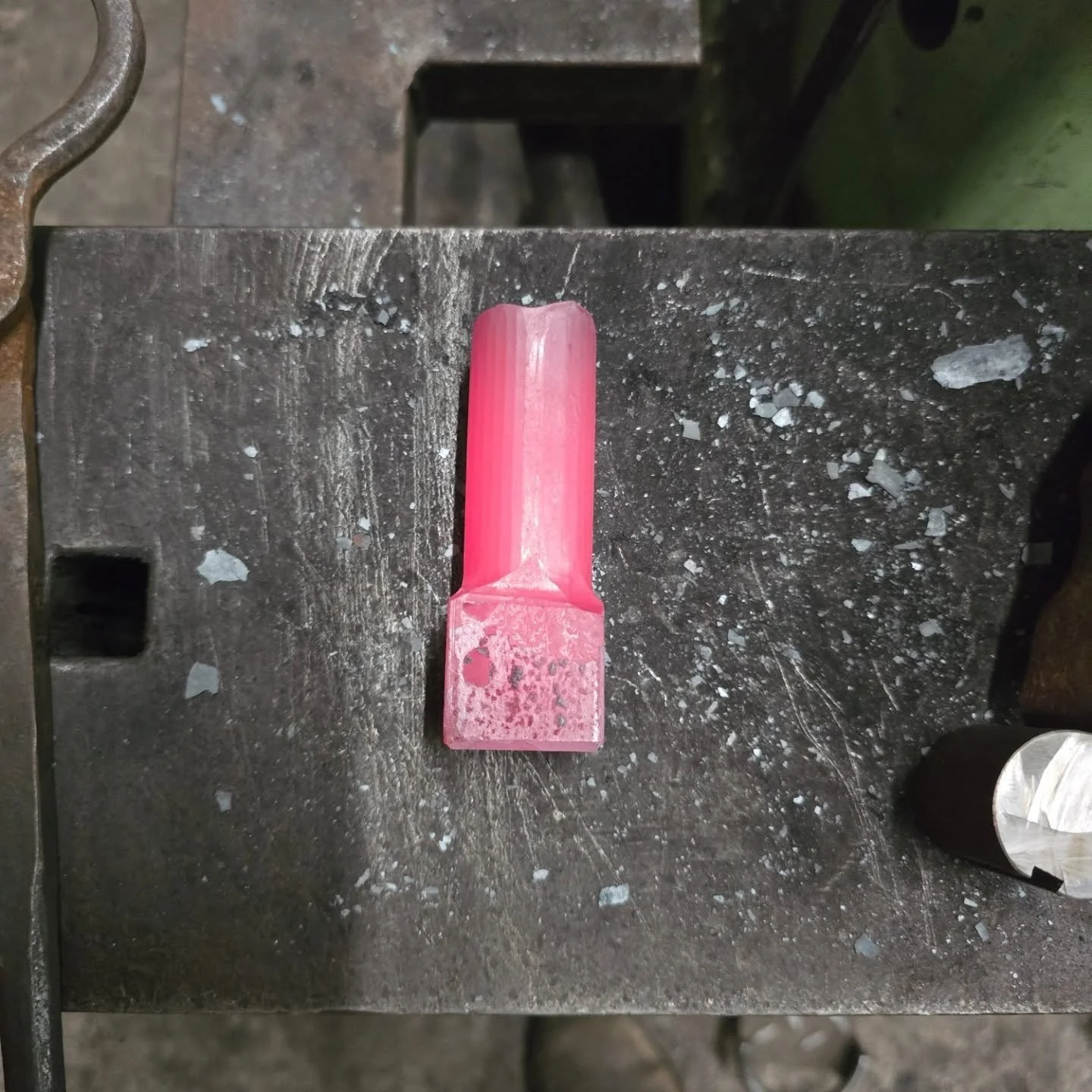
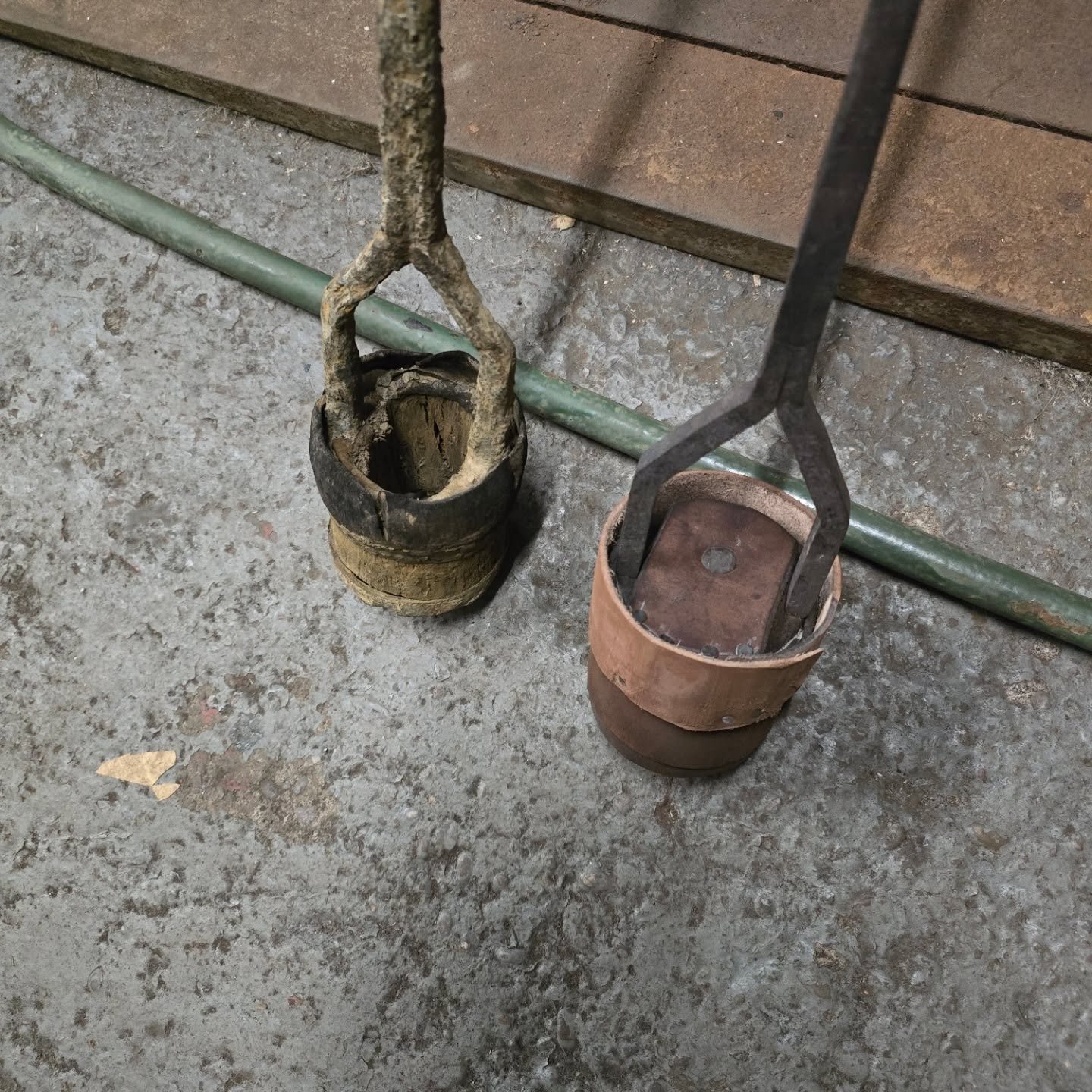
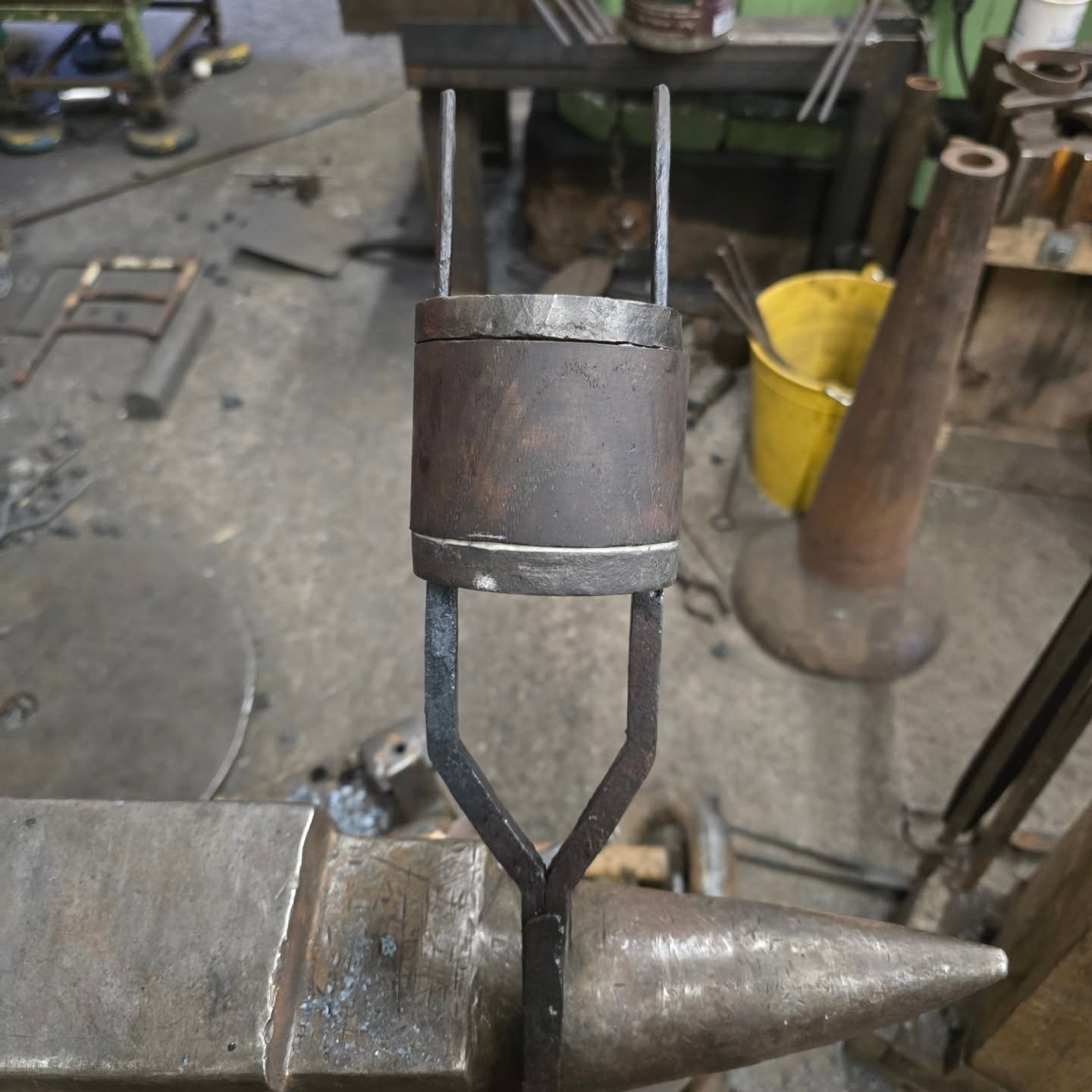
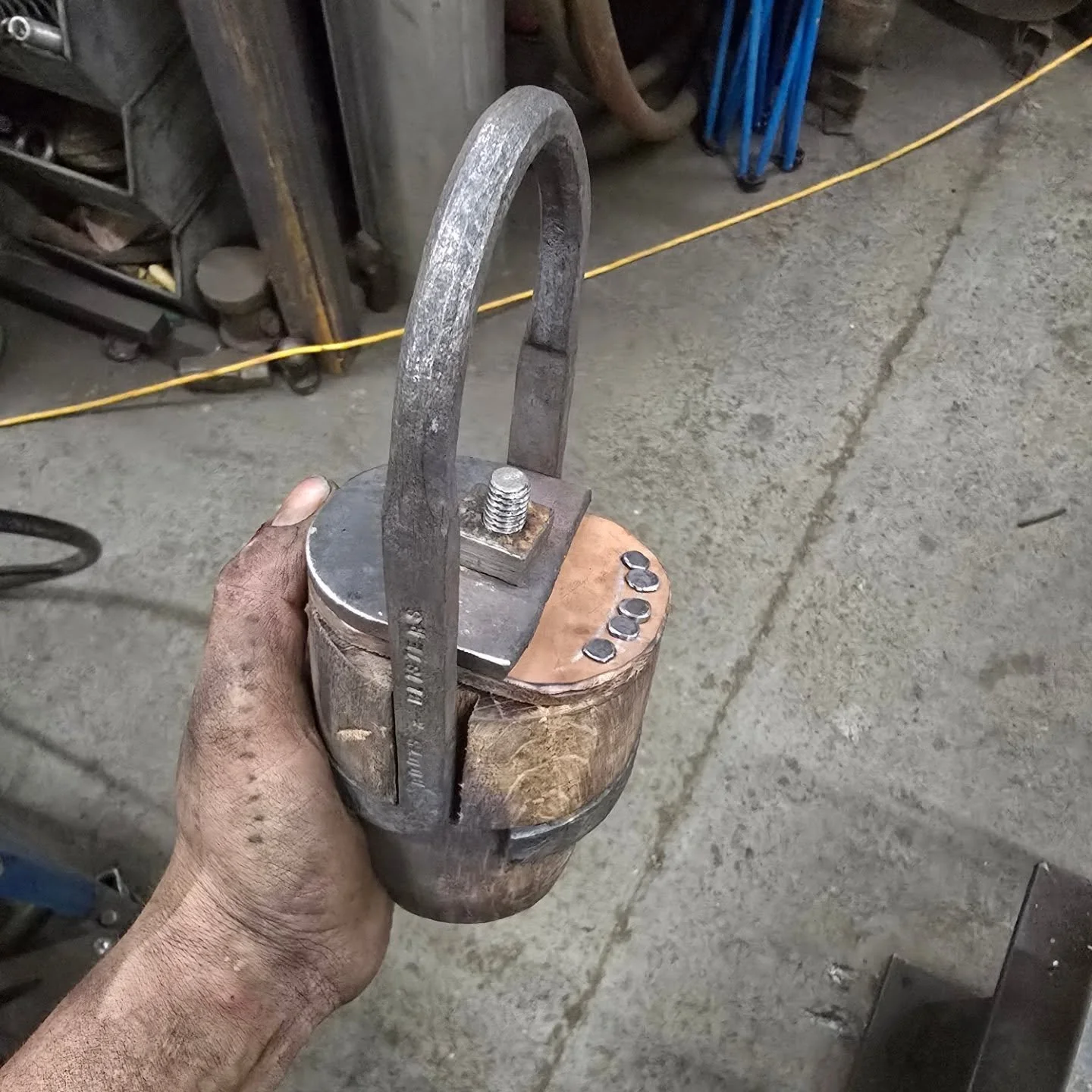
Non-Return Valve (NRV): Hand-carved oak valve body fitted with a custom-forged U-bracket, hand-cut leather flap, period-accurate Whitworth threads, and square nuts. The base was bound in jute twine, dressed with linseed jointing compound, and set in heated pitch inside the pipe reducer.
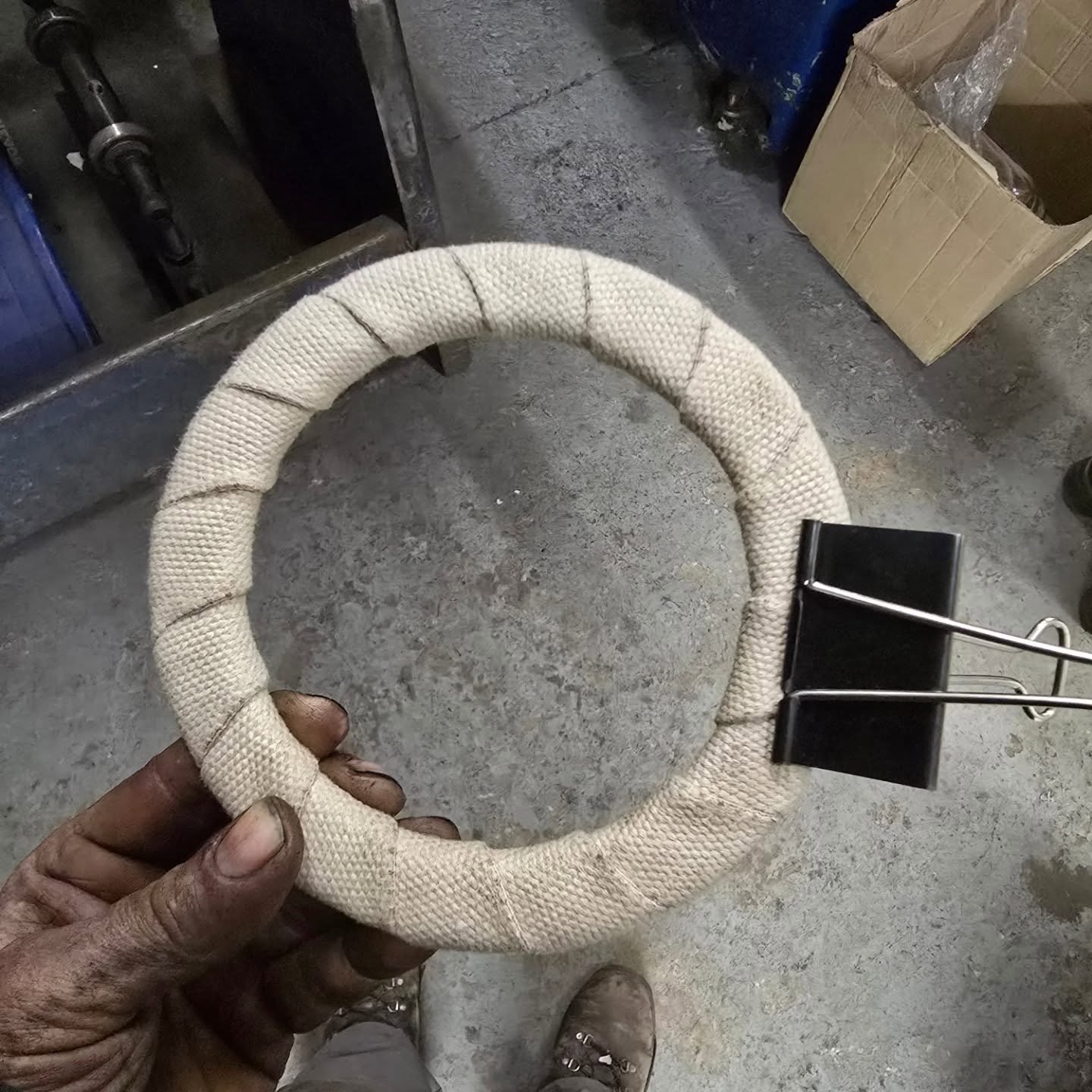
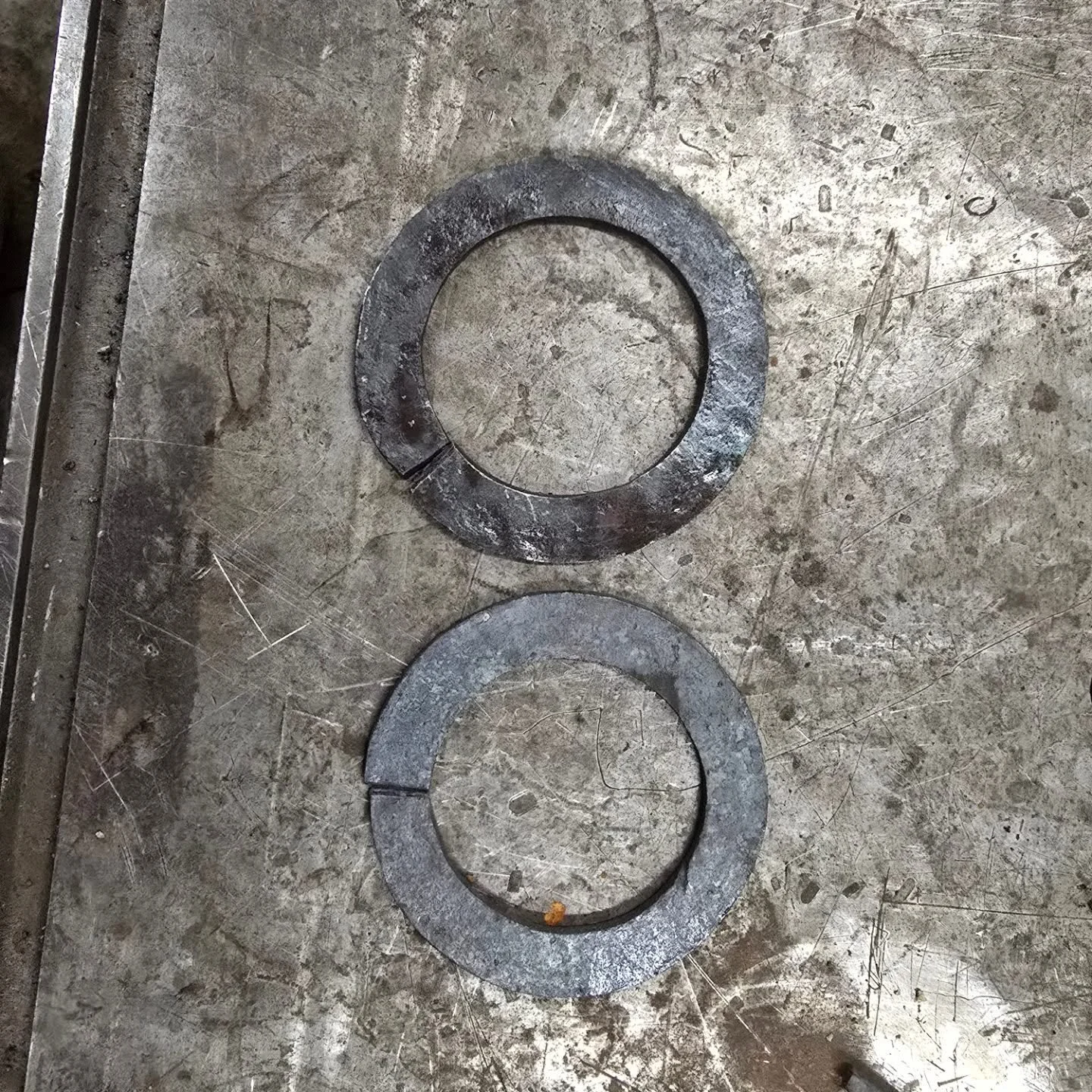
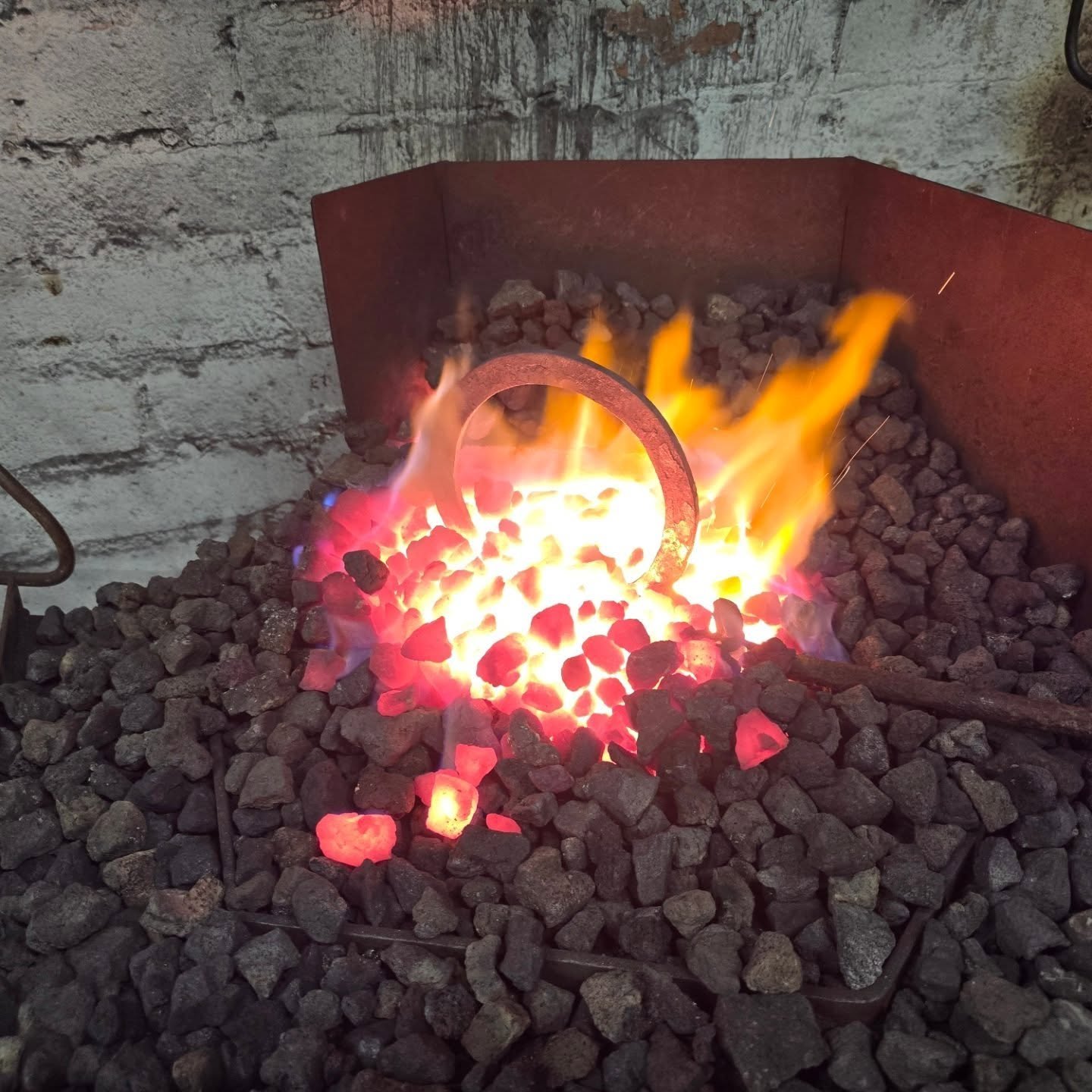
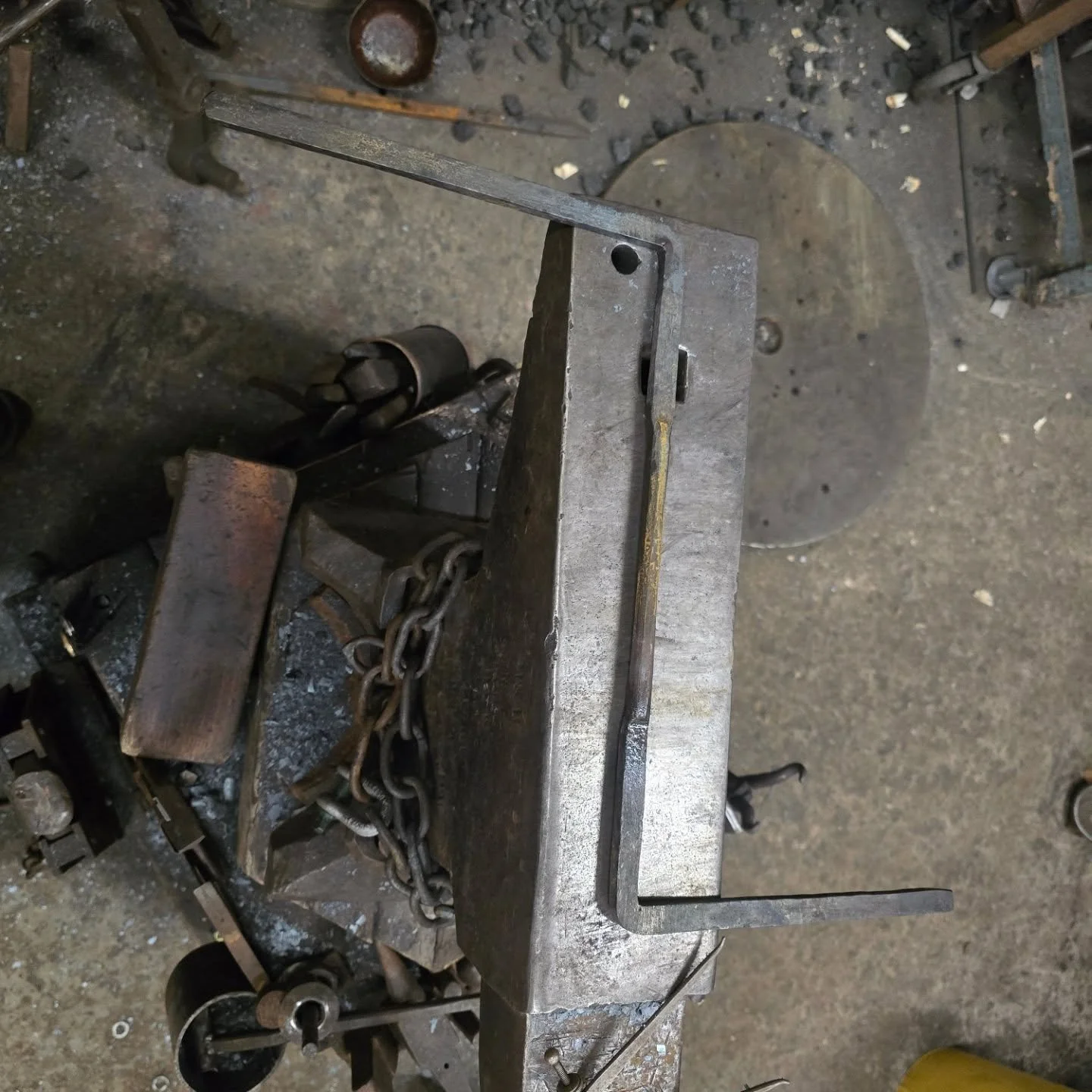
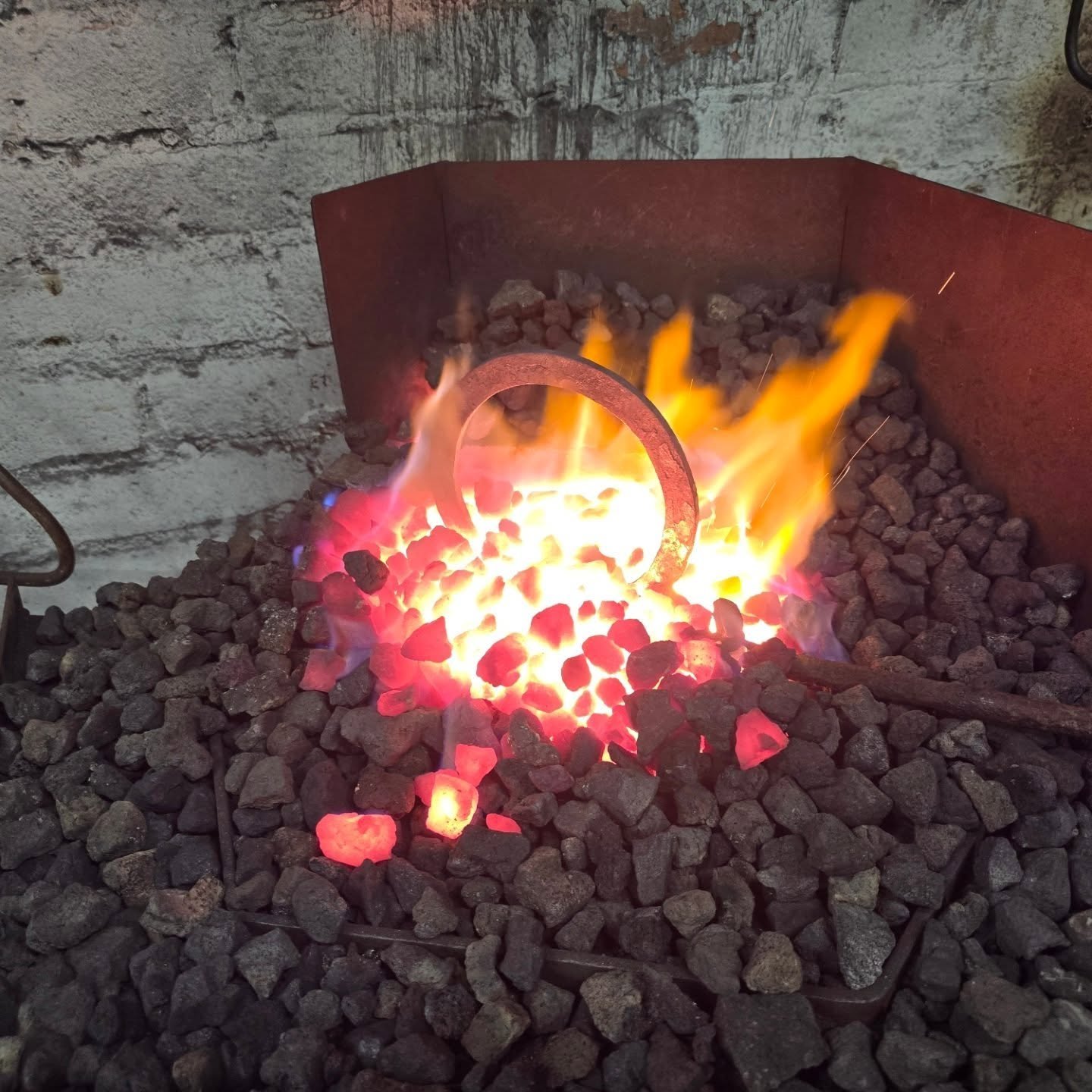
Custom Gasket Rings: Forged iron rings wrapped in linseed-treated hemp webbing and dressed with historic linseed putty to accommodate pitting on the antique cast-iron flange faces.
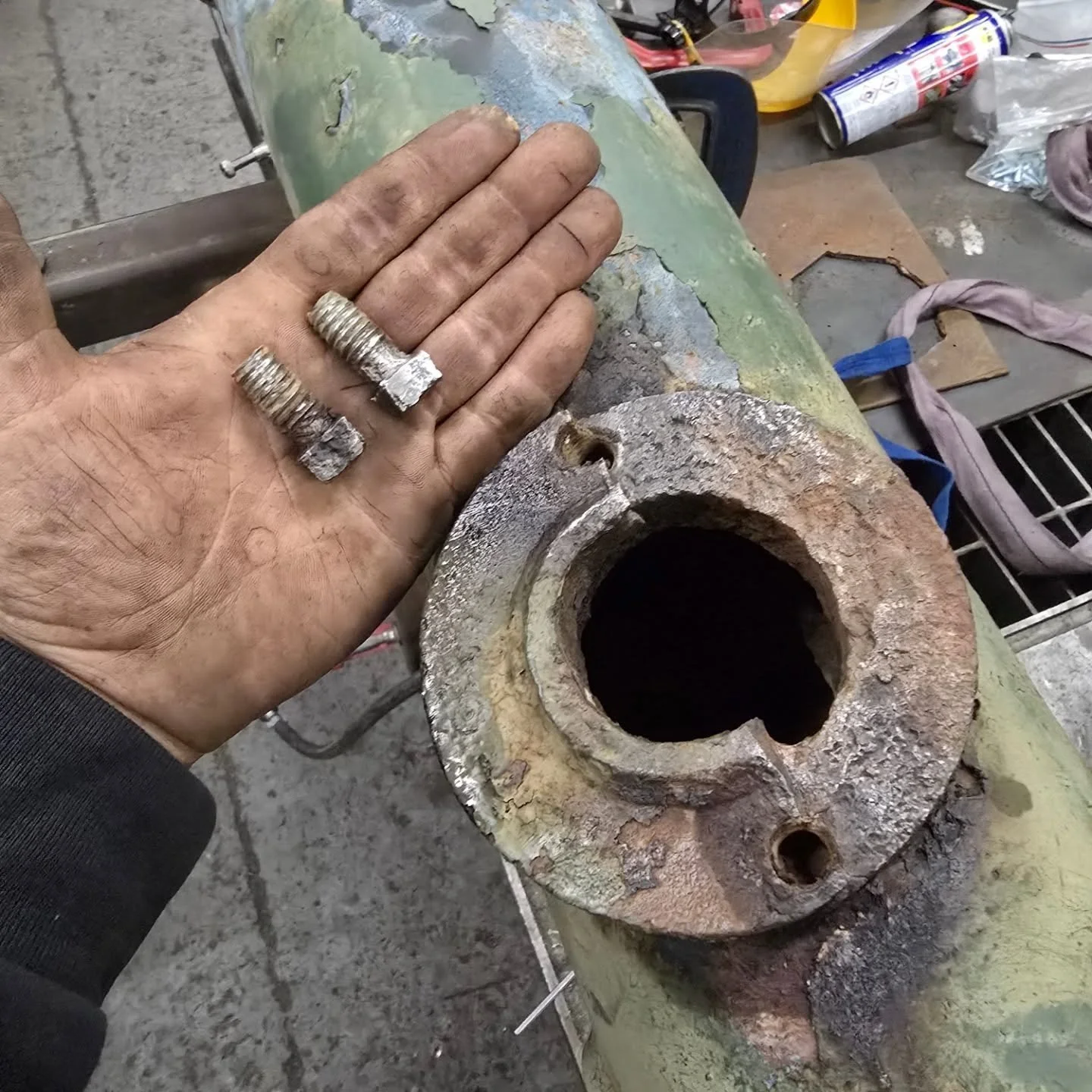
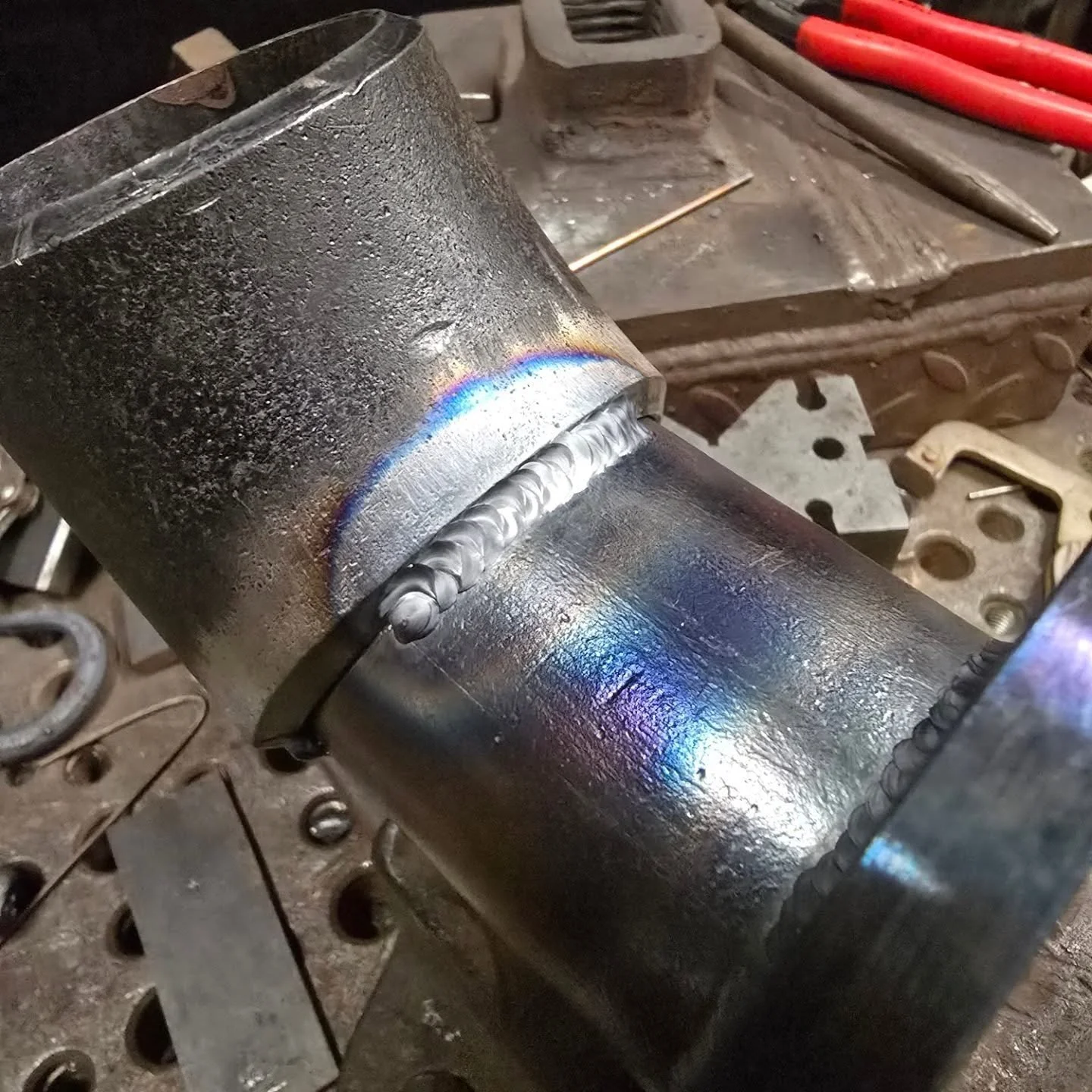
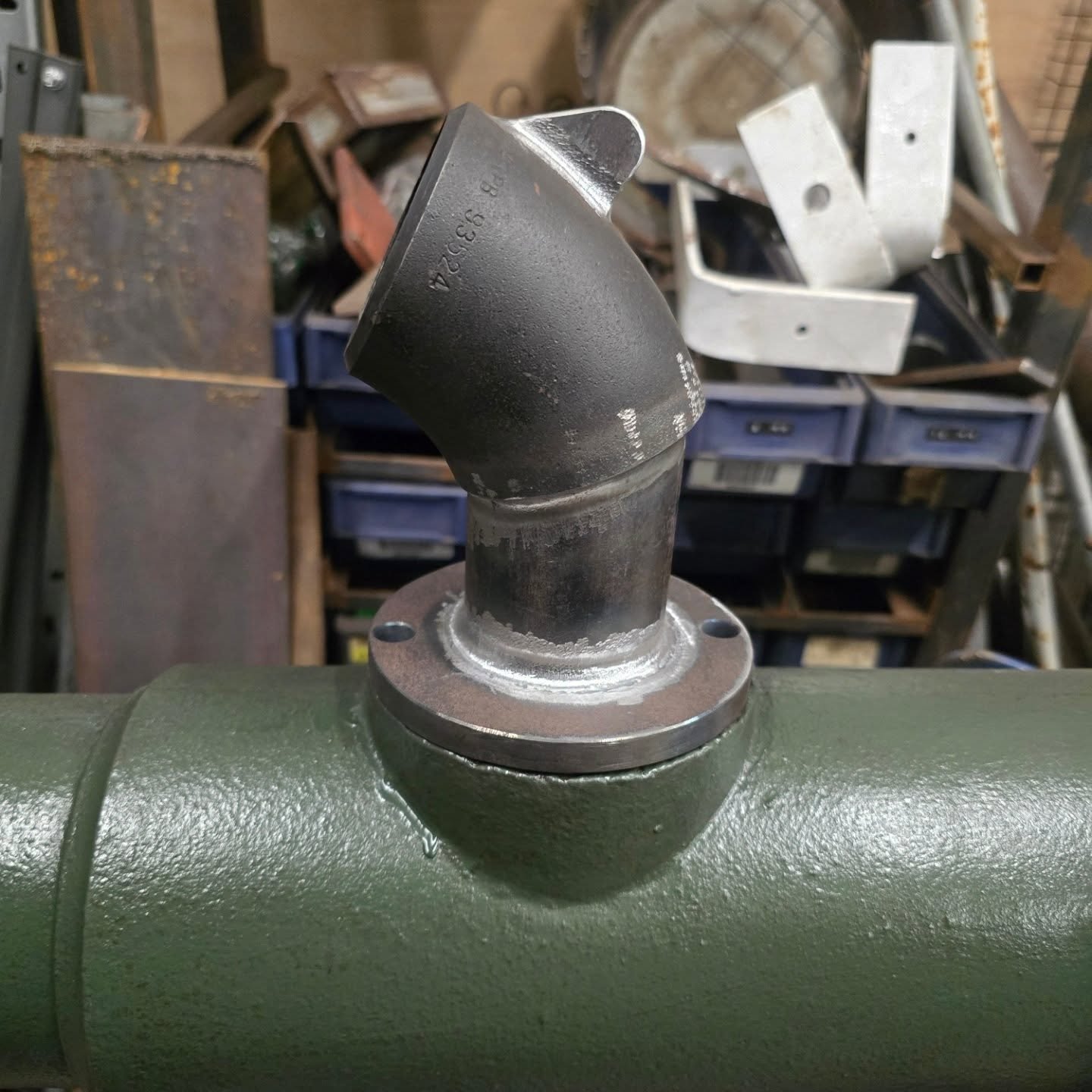
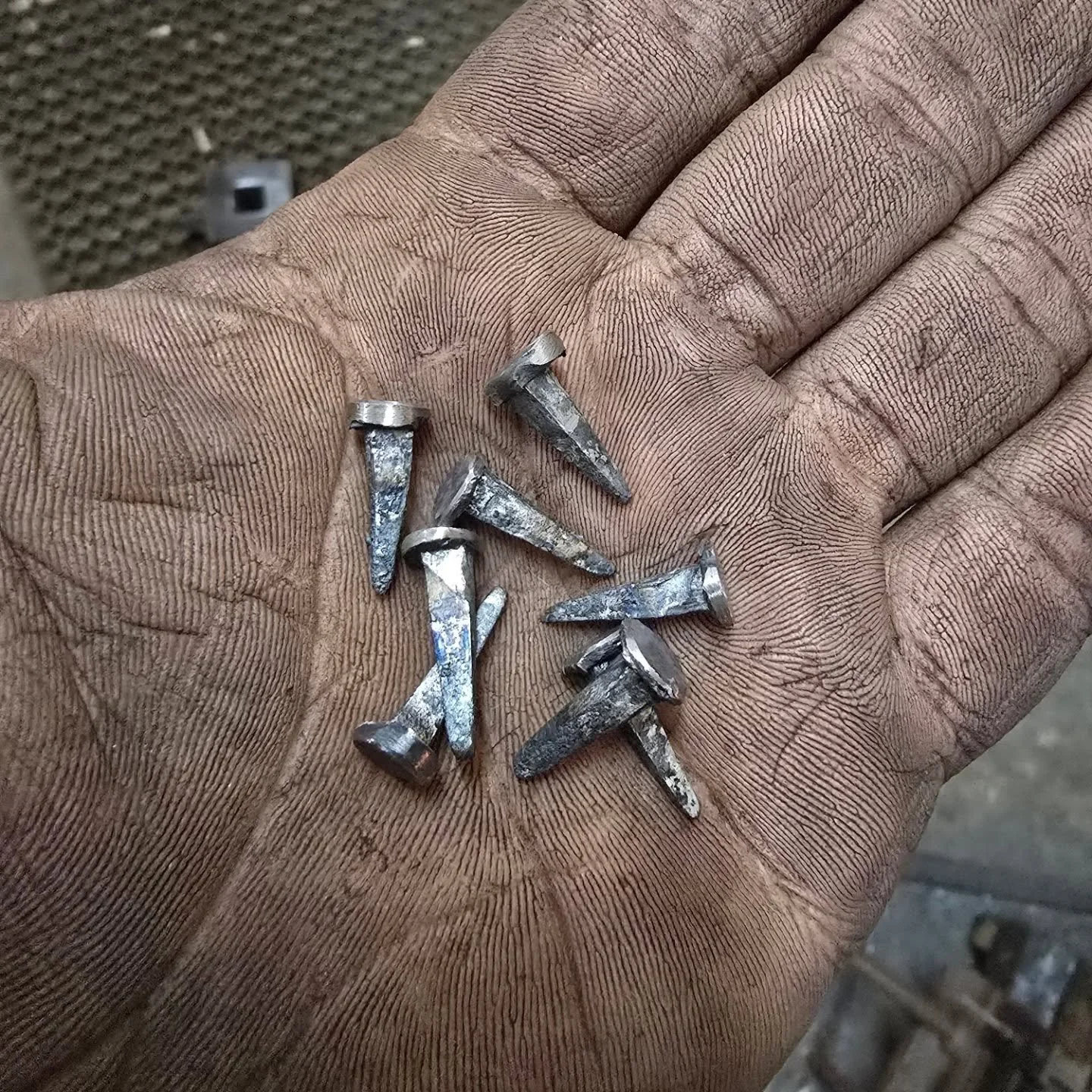
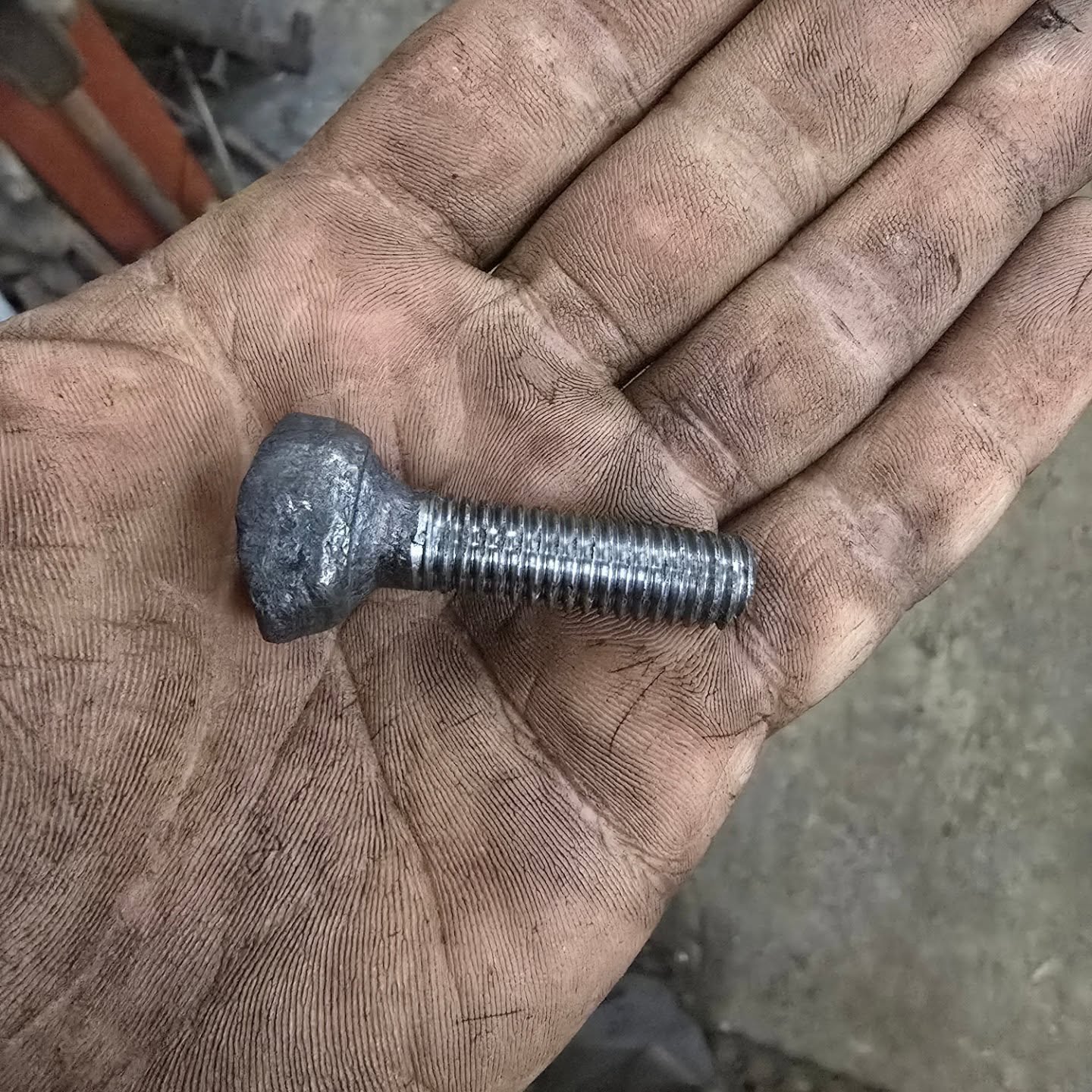
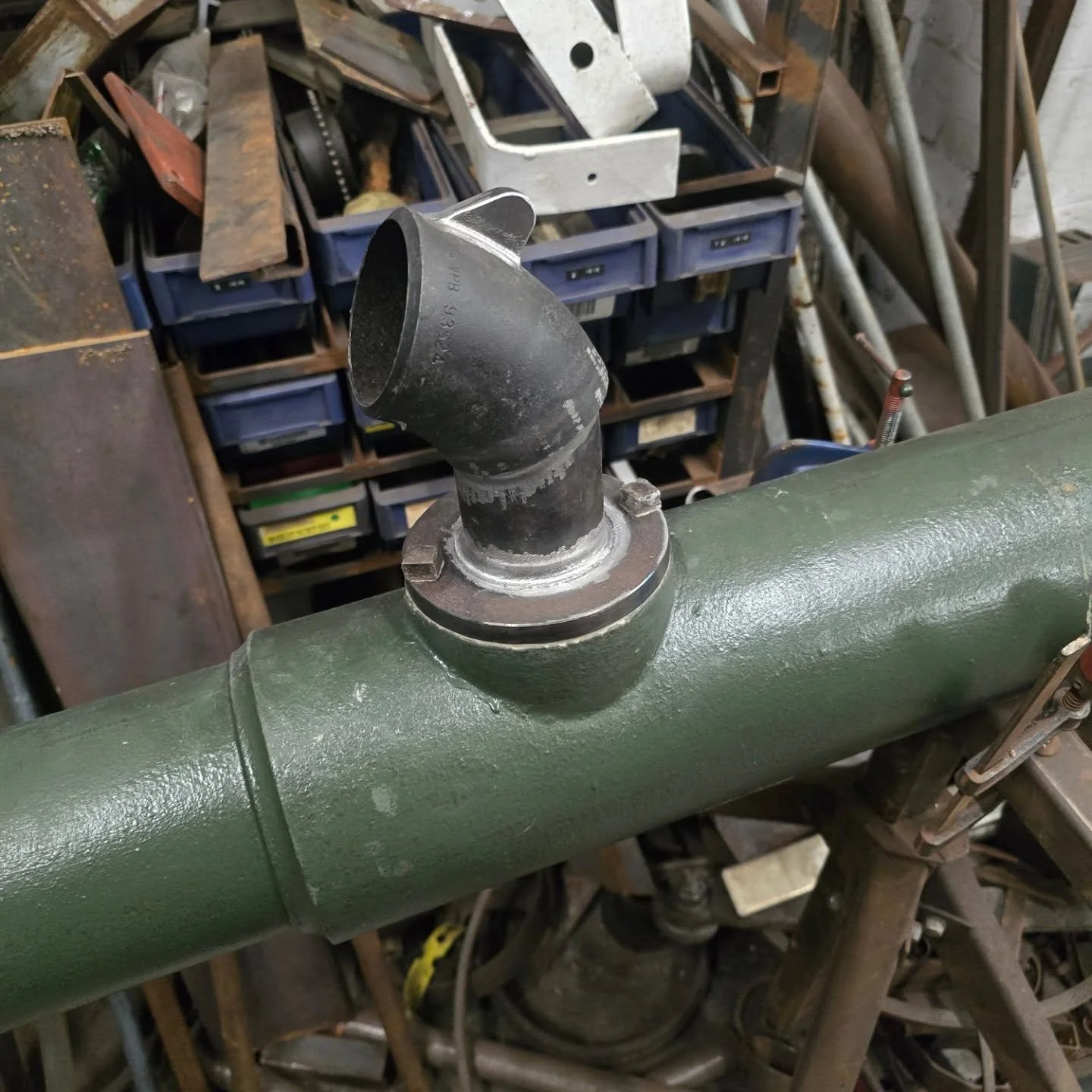
Spout & Fittings: Fabricated a replacement spout with dressed TIG welds to mimic a period casting. We successfully extracted, restored, and reused the original wrought iron flange screws, setting them into linseed putty just as the original makers did centuries ago.
Repurposing Historic Wrought Iron
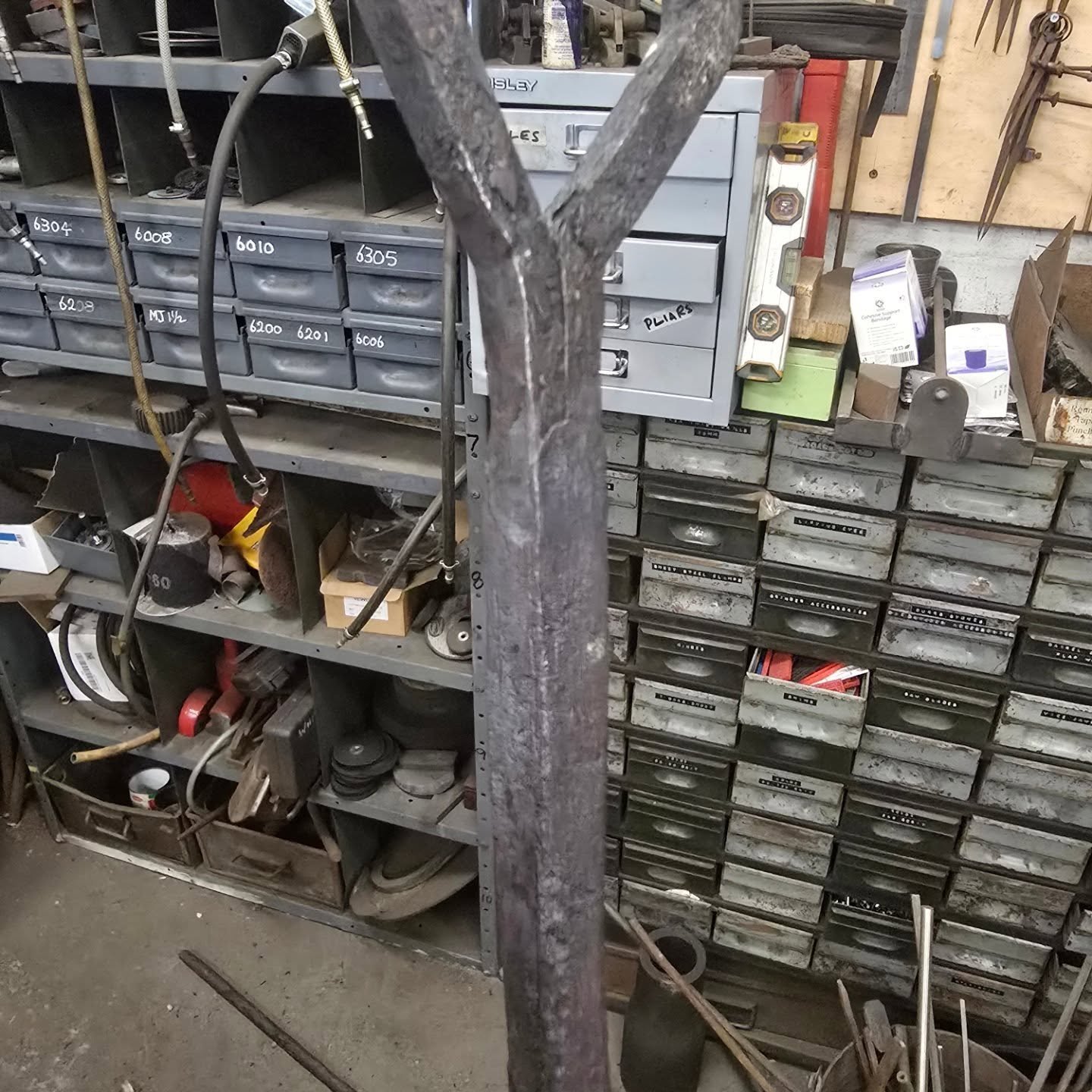
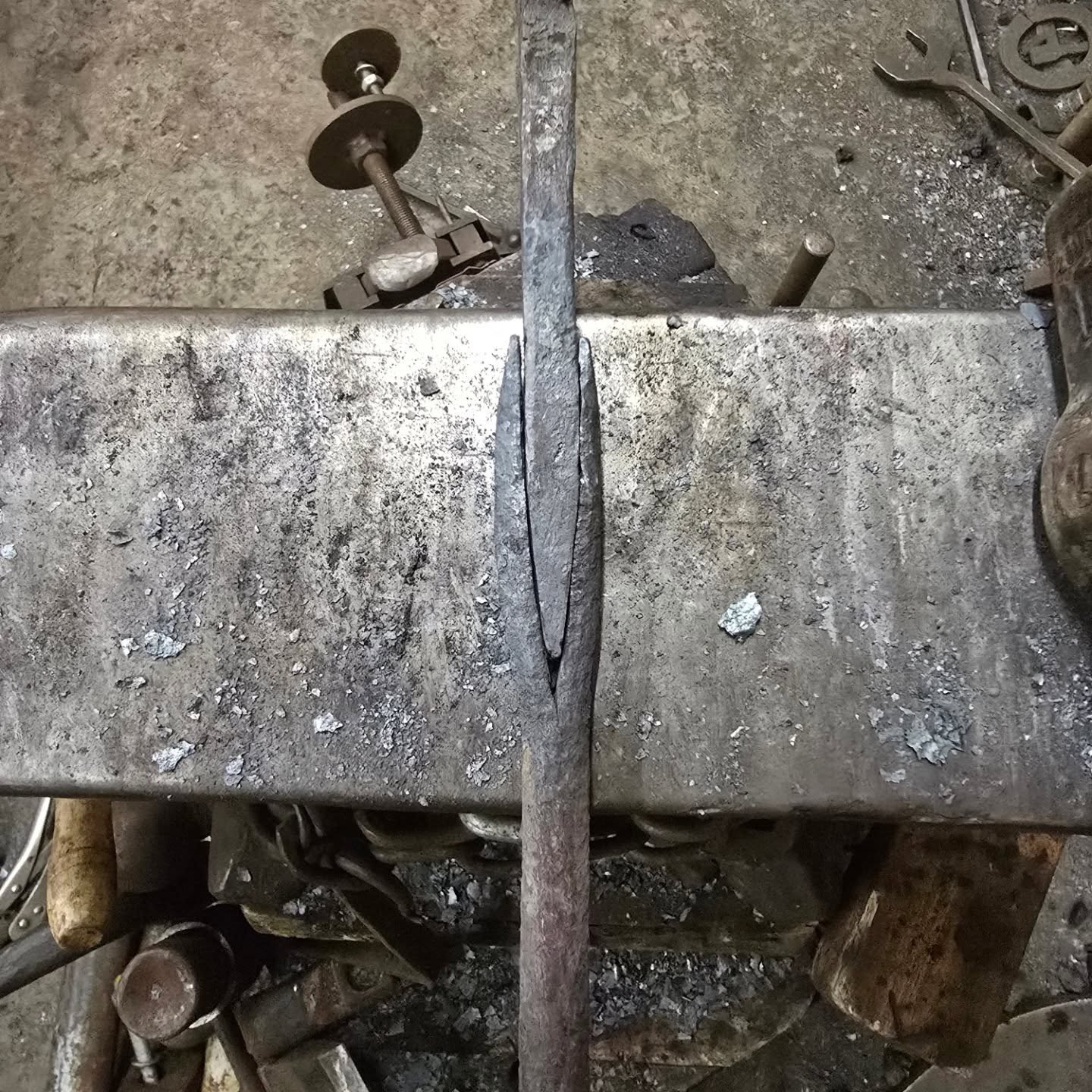
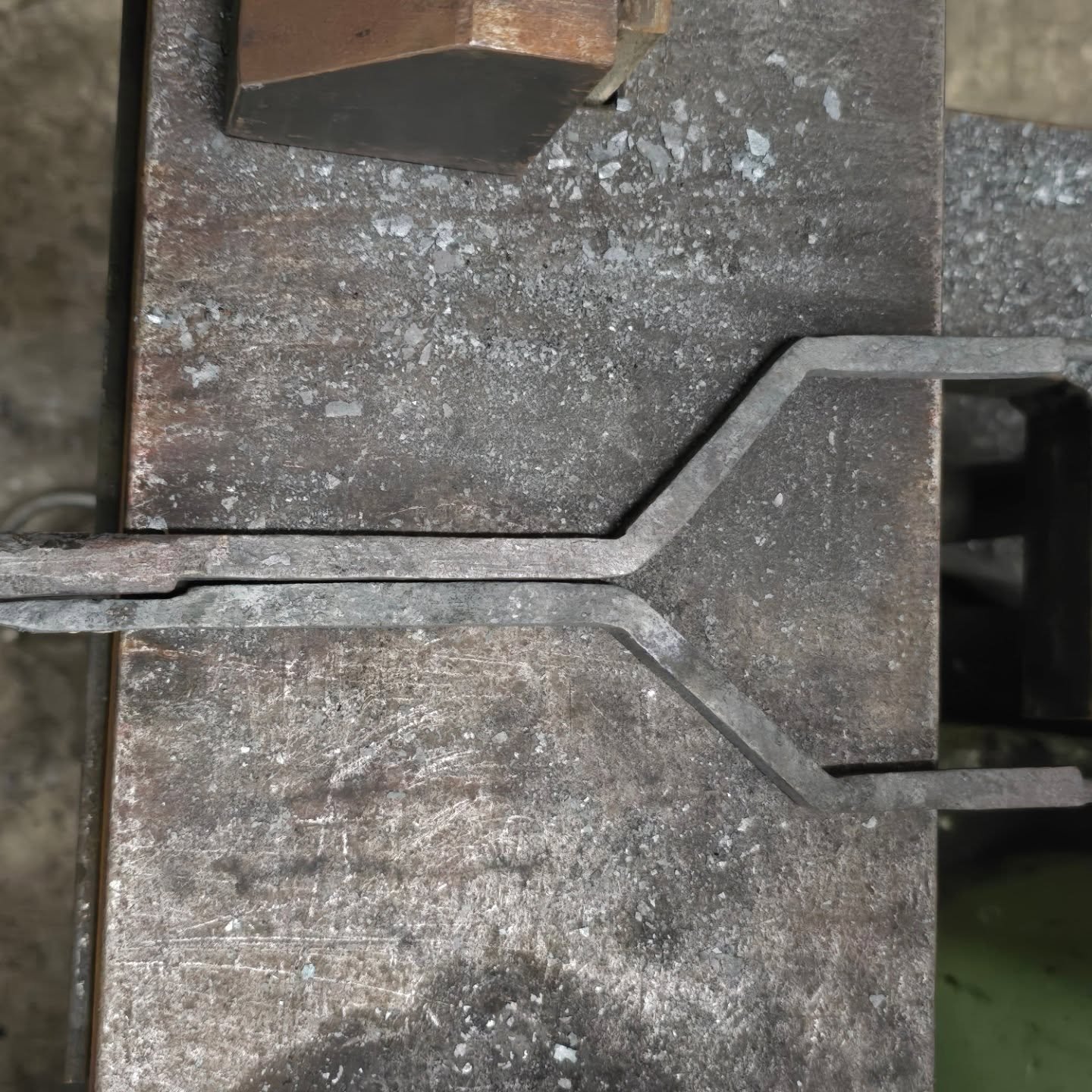
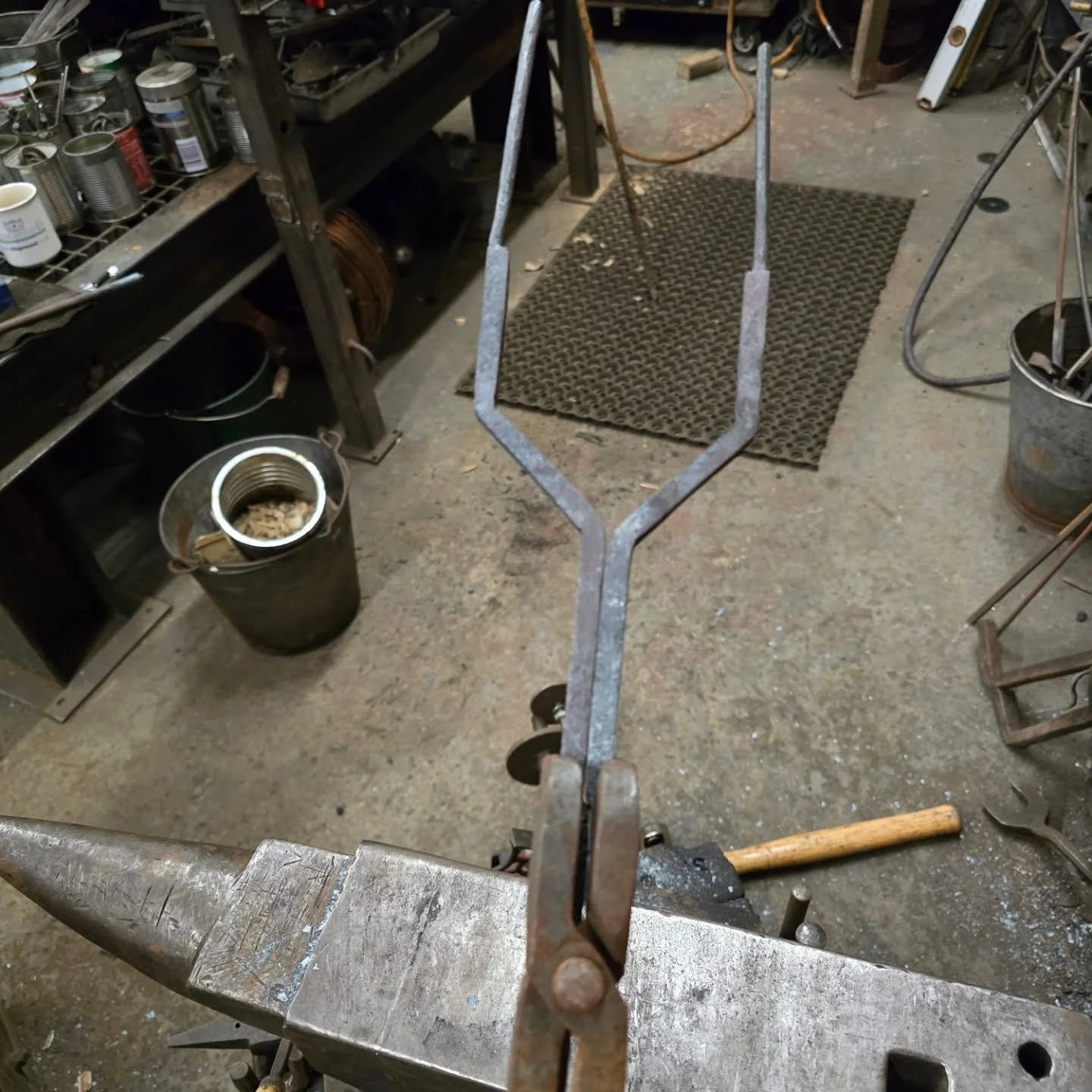
A major highlight of this project was working with lengths of original wrought iron estate fencing that had previously bordered the customer's property. Working within a strictly limited supply of material, we forged and repurposed this historic iron directly into:
Internal pump linkages and structural hardware.
Custom-forged gasket support rings.
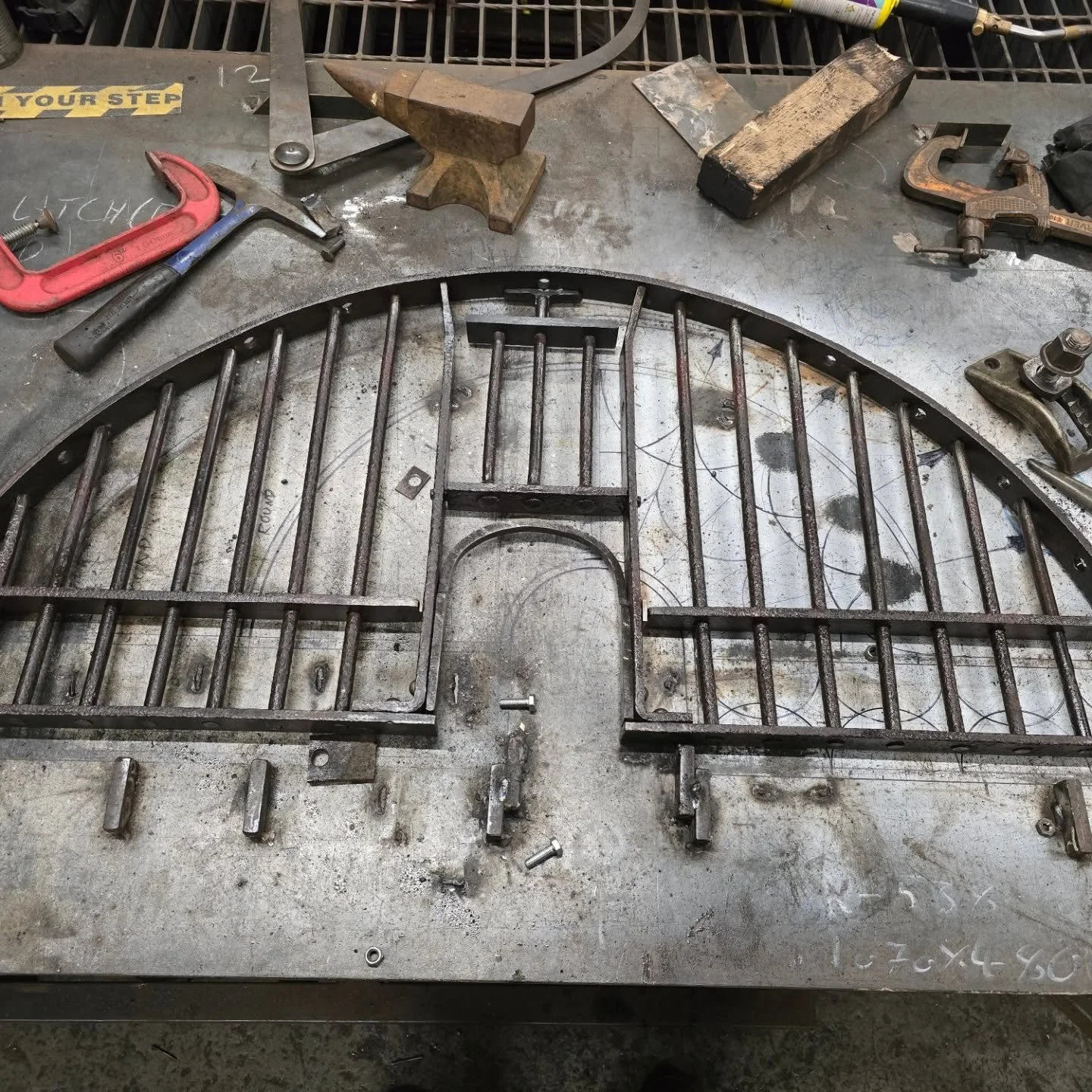
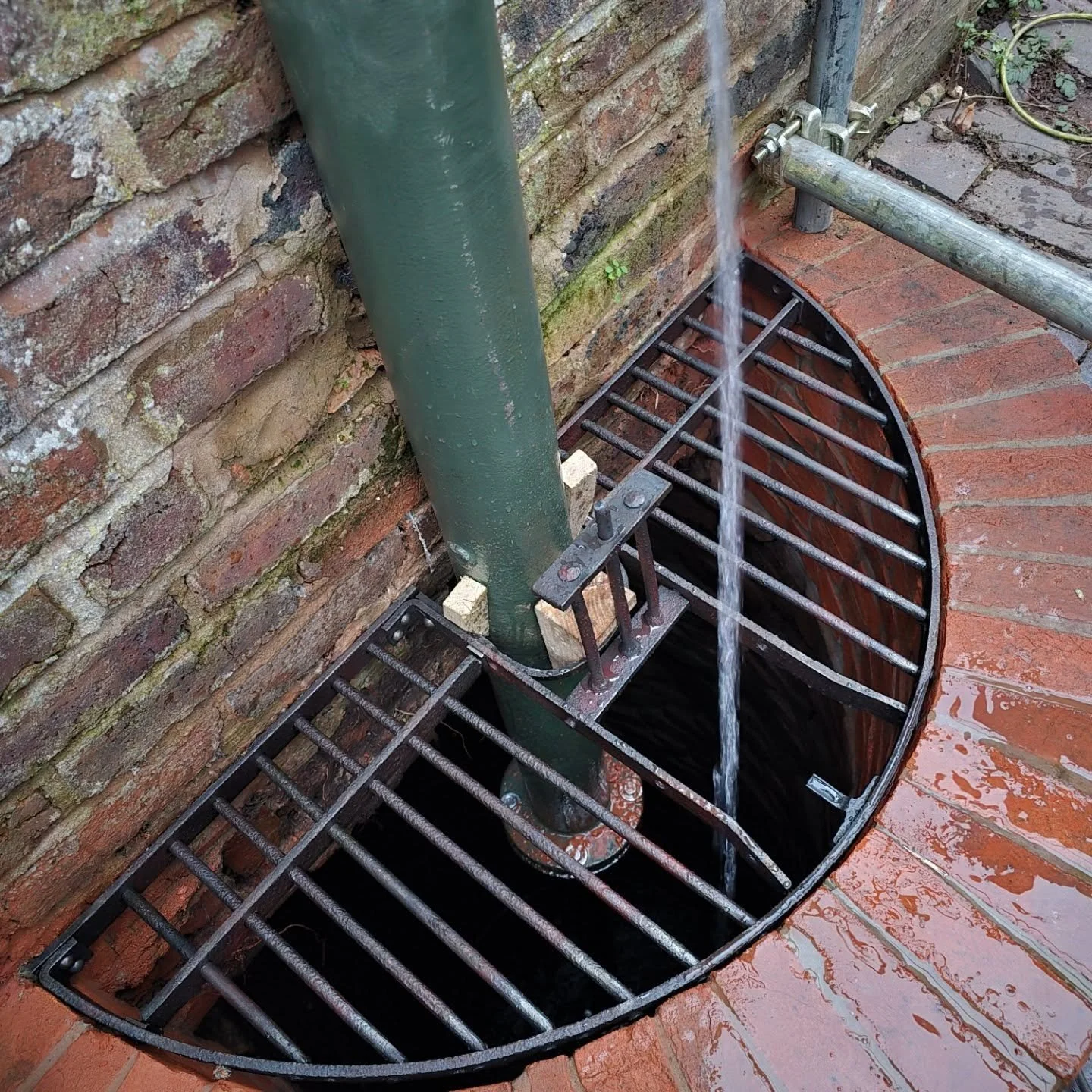
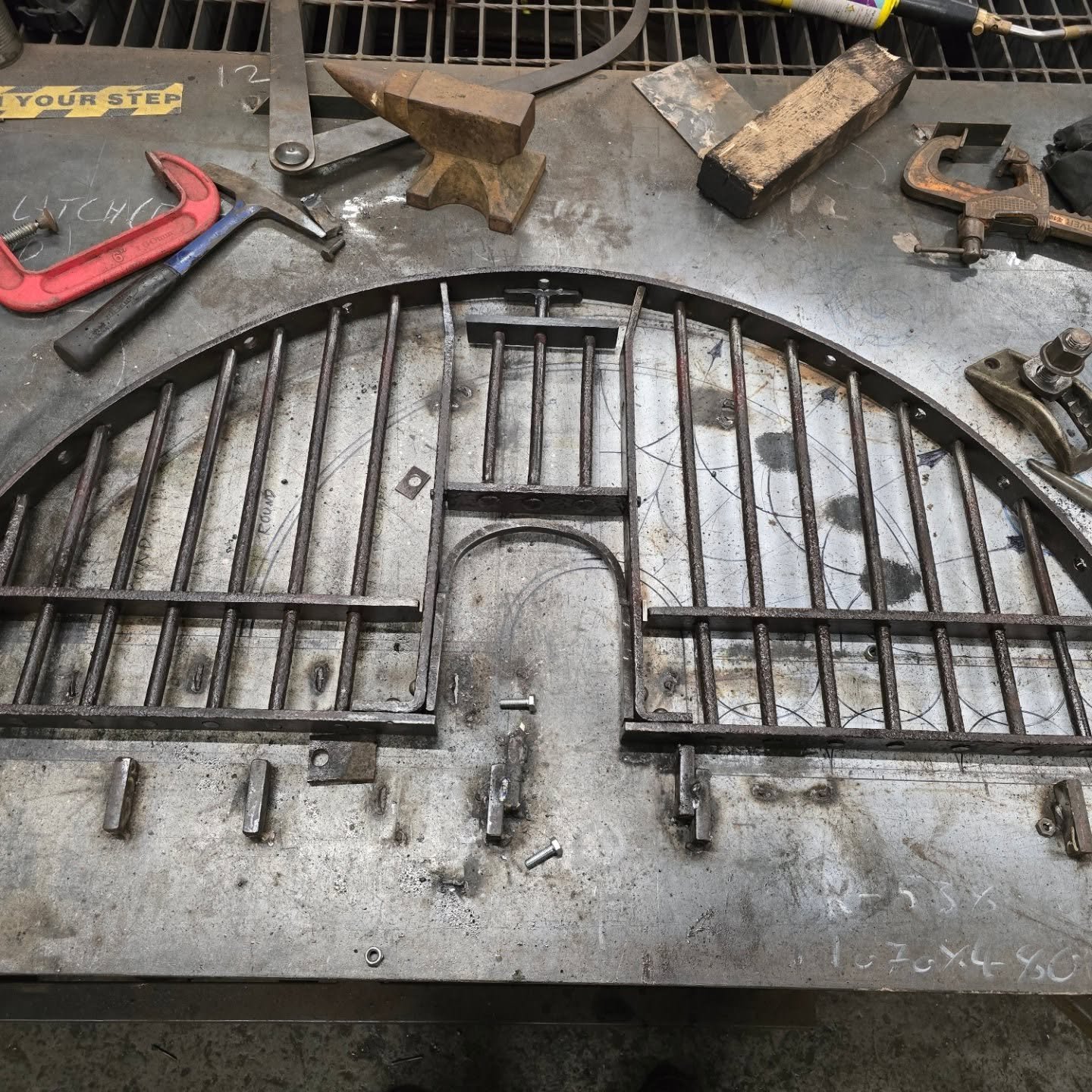
A bespoke, period-correct well safety grate complete with an integrated access hatch for future maintenance and silt pumping.
The Result
On installation day, the non-return valve was bedded back into the pipe reducer using hot pitch, the internal rod and piston were connected, and the restored pump column was mounted over the well grate.
The pump now operates smoothly, pulling a strong, clear stream of water straight out of the historic well for the first time in generations.
Got an antique water feature, cast iron pump, or heritage blacksmithing project that needs taking on?
Get in touch with us to discuss bringing your historic metalwork back to life.